Wilpattu — Sri Lanka city guide

Sri Lanka City Guide

Wilpattu

Sri Lanka's largest national park — sixty natural Villu lakes, uncrowded leopard tracking, sloth bears, and raw northwest wilderness on the Land of Lakes.

Overview

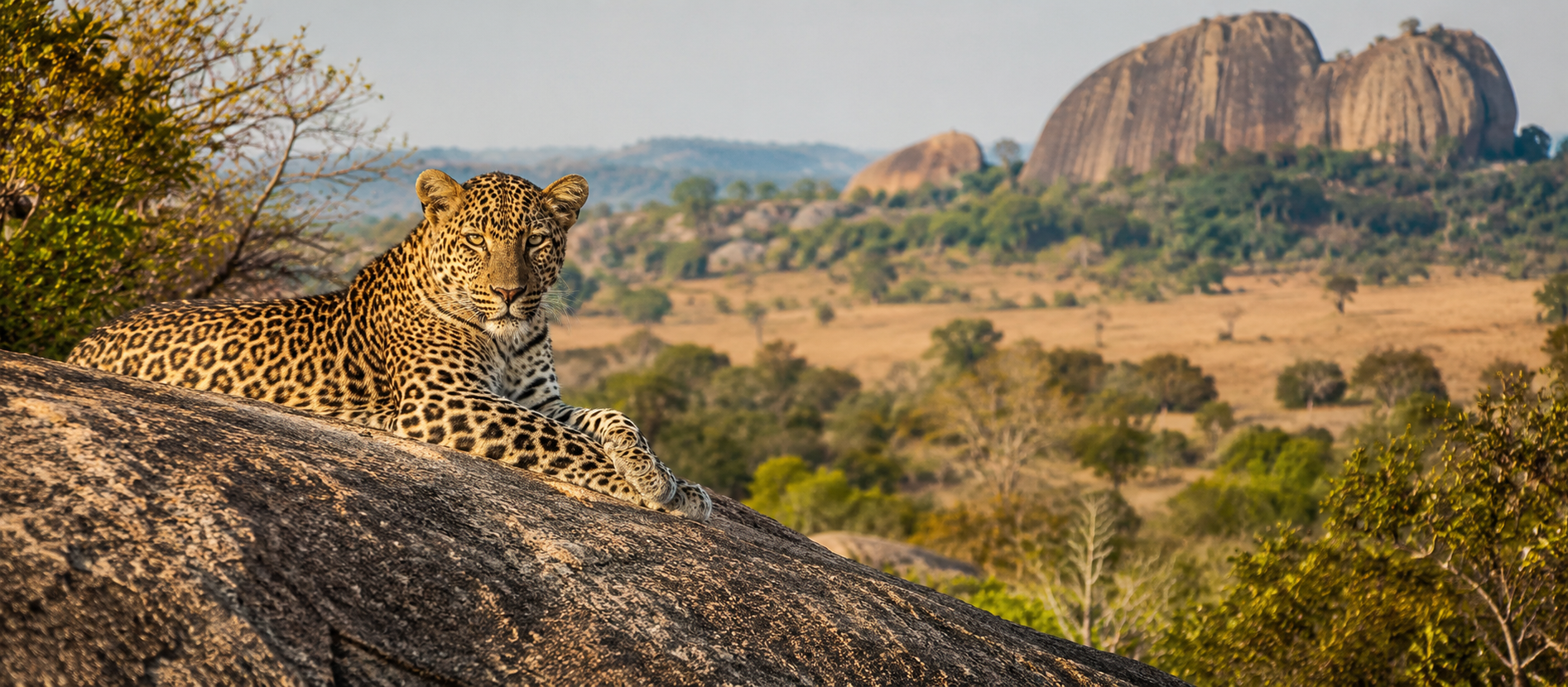
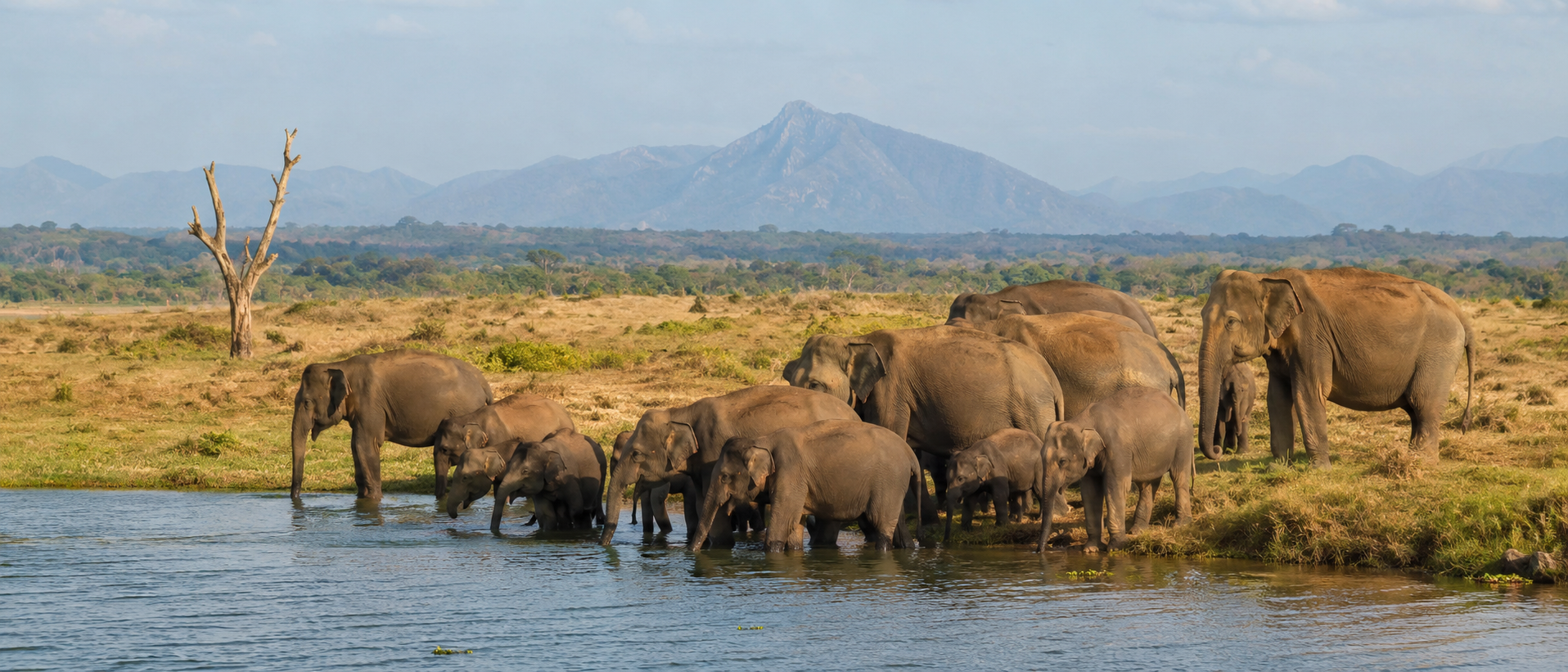
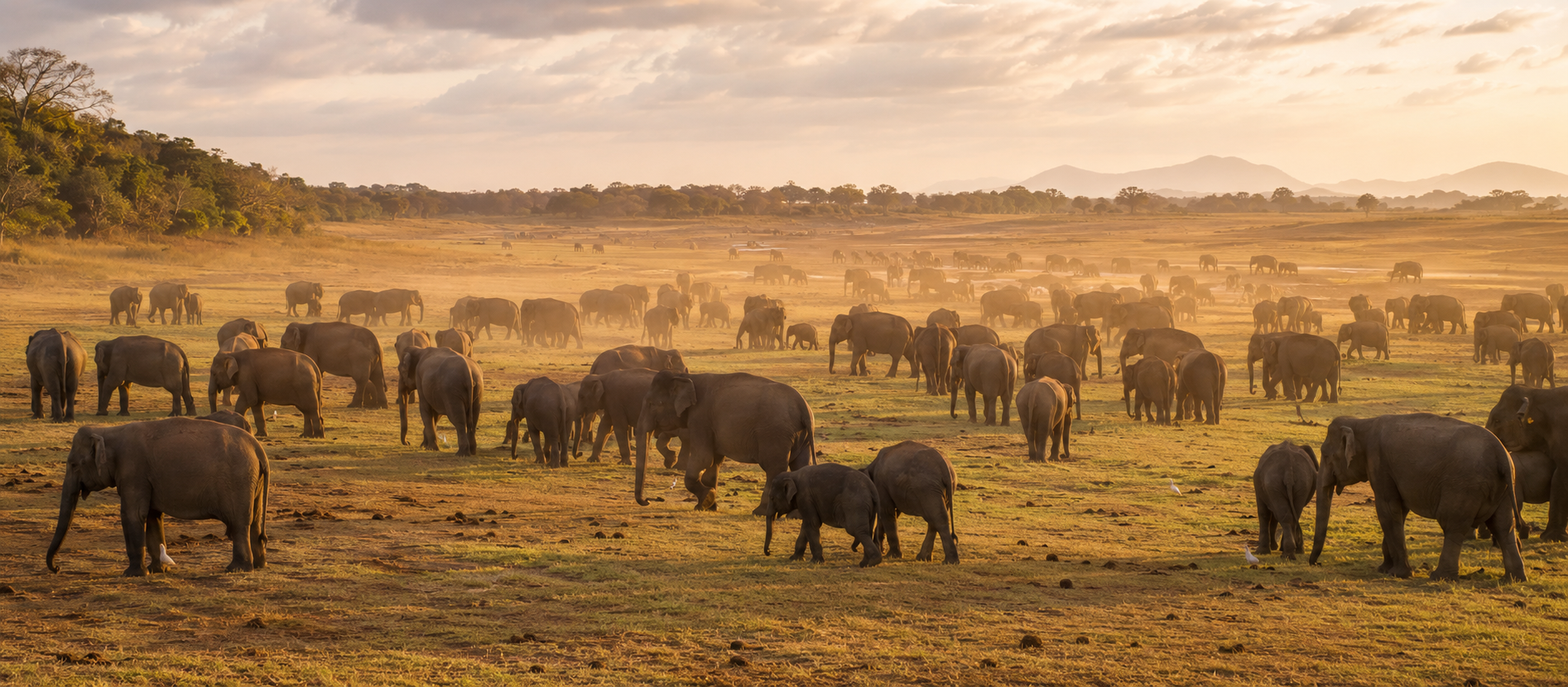
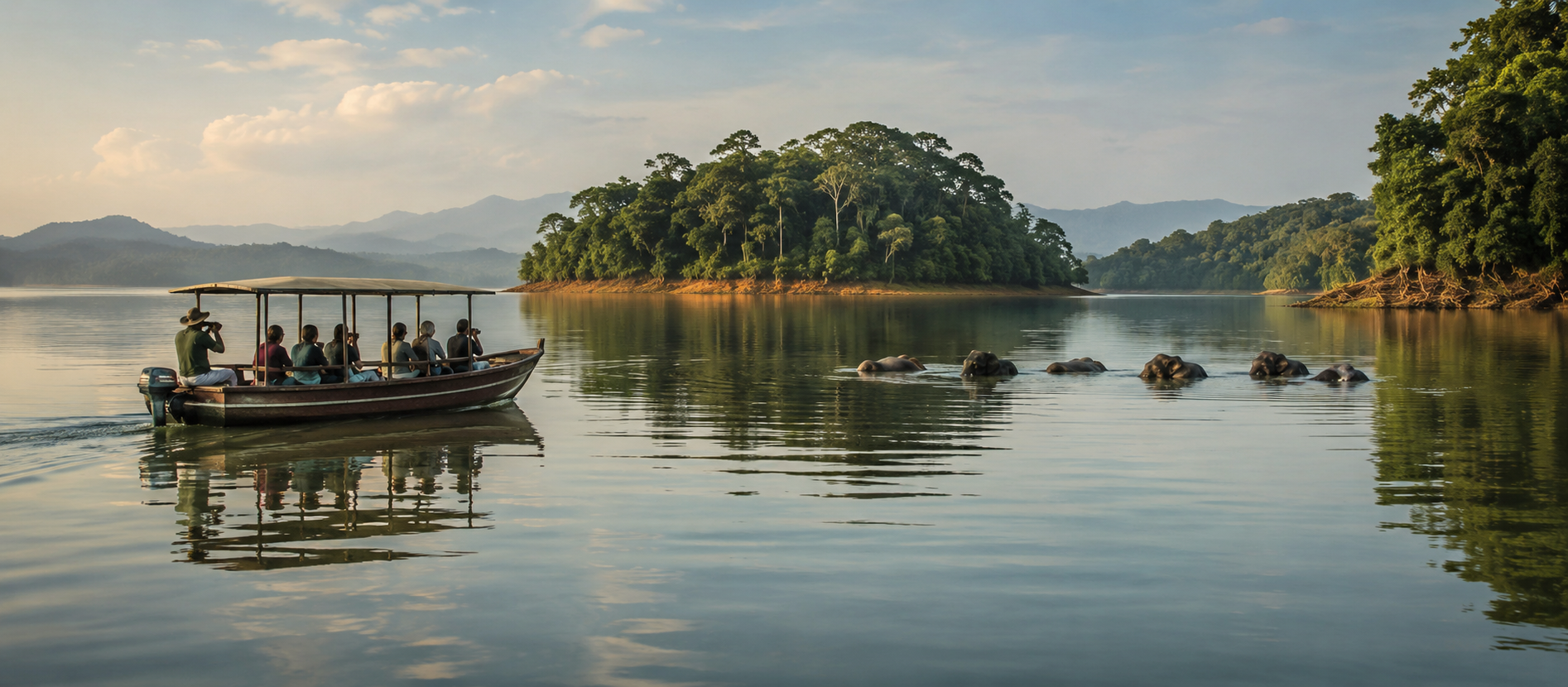
Wilpattu, whose name translates beautifully to "Land of Lakes," is Sri Lanka's largest and oldest national park. Situated along the island's serene northwestern coast, this massive wilderness reserve is highly unique for its distinct complex of over sixty "Villus"—natural, rainwater-fed basins and sand-rimmed lakes peppered throughout a dense forest canopy. This unique water network creates a stunningly peaceful landscape that supports an incredibly rich concentration of big game, including the elusive Sri Lankan leopard, the shaggy sloth bear, and majestic Asian elephants.

Unlike some of the highly commercialized wildlife parks, Wilpattu offers a deeply authentic, raw, and uncrowded safari experience. Because of its sprawling geography, safari vehicles can track wildlife for hours in near-total isolation, surrounded by dry-zone forests, open grasslands, and ancient archaeological ruins. The local community is deeply dedicated to low-impact eco-tourism and wildlife preservation, working alongside expert naturalists who value tranquility and ethical viewing. English is widely and fluently spoken by park rangers, luxury glamping hosts, and safari drivers, ensuring a highly secure, sophisticated, and comfortable nature deep-dive.

Quick Facts

Essential travel information for Wilpattu.

Location
North Central and Northwestern Provinces, Sri Lanka (bordering the western coast).
Access Routes
Wilpattu is easily and smoothly reached via a 3 to 3.5-hour private drive north from Colombo or Bandaranaike International Airport (CMB) via Negombo and Chilaw, or via a short 45-minute drive from the historic sacred city of Anuradhapura.
Language
Sinhala is the primary native language, while English is standard across all safari operations, wilderness eco-lodges, and luxury tented camps.
Local Specialties
Traditional clay-pot lake-fish curries, wild woodapple juices, flame-grilled bush barbecues, and organic village rice and curry variations.
Iconic Safari & Glamping Spots
Leopard Trails Wilpattu, Wilpattu Safari Camp, Big Game Camp Wilpattu, iSafari Wilpattu, and The Ultimate Wilderness Lodge.
Climate & Weather

What to expect when visiting Wilpattu throughout the year.

The Best Time to Visit (February to October)

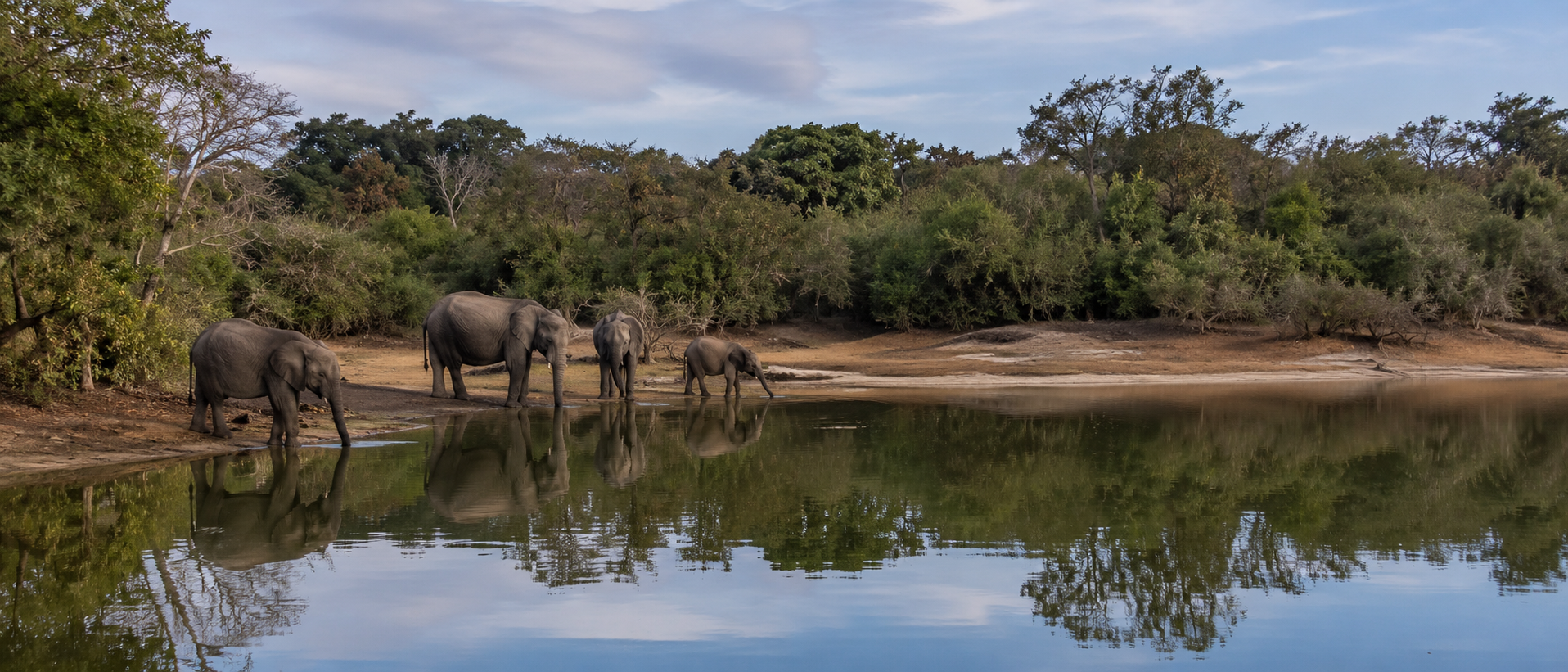
This marks the premier dry season. As water holes deep inside the forests recede, majestic herds of elephants, thirsty leopards, and sloth bears are drawn out to the open sandy rims of the central Villu lakes to drink, delivering exceptional wildlife tracking opportunities. Temperatures average a warm 30°C to 34°C.

The Monsoon Window (November to January)

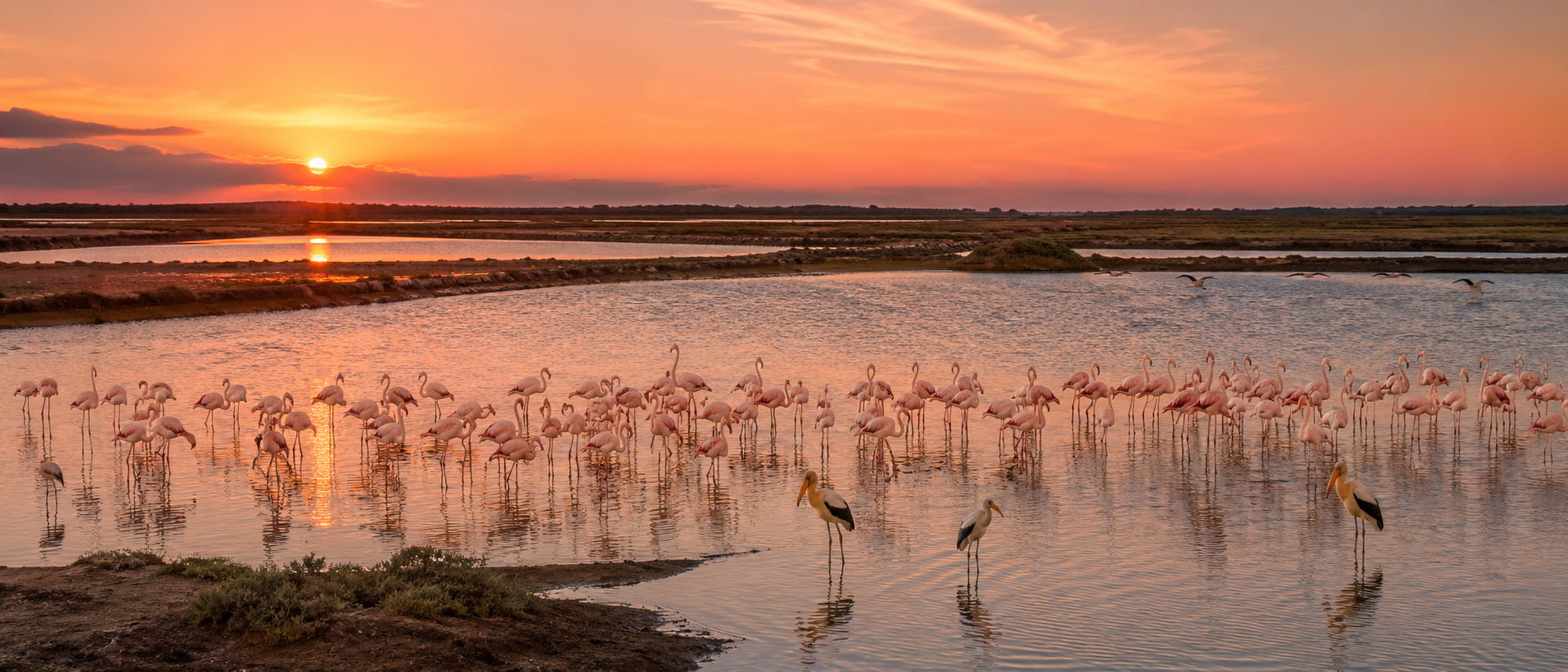
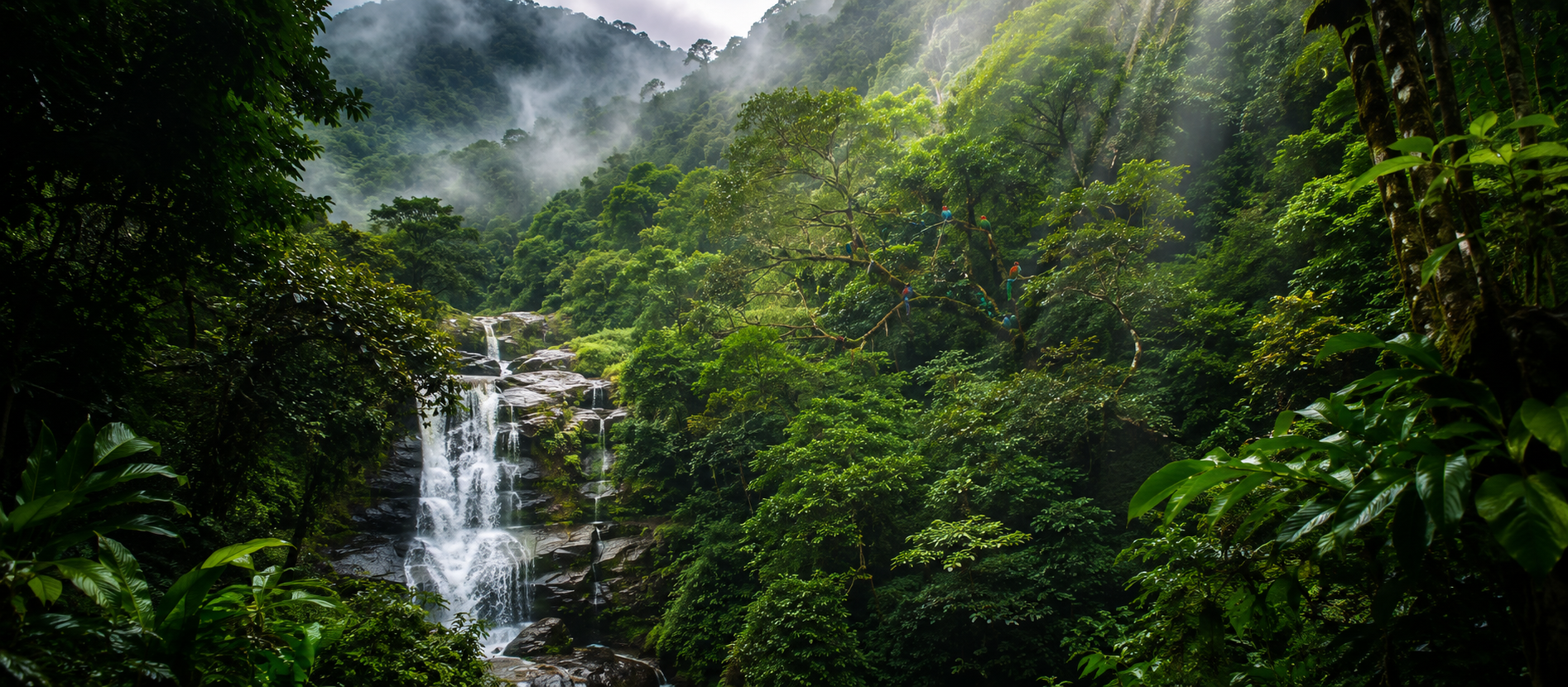
The northeast monsoon brings heavy seasonal rain showers to the region. These rains replenish the ancient natural lakes, turn the forest landscapes exceptionally lush and green, and attract a vibrant influx of migratory waterbirds.

Humidity Pacing

Morning game drives are beautifully crisp and cool, while afternoon safaris require lightweight, breathable fabrics to manage the dry-zone heat.

Important Places to Visit

The must-see landmarks and neighbourhoods across Wilpattu.

  • The Villu Lake Network

    The lifeblood of the park, featuring stunning, sand-rimmed natural lakes like Kali Villu and Kokkaria Villu that act as prime staging grounds for wildlife encounters.

  • Kudiramalai (Horse Mountain)

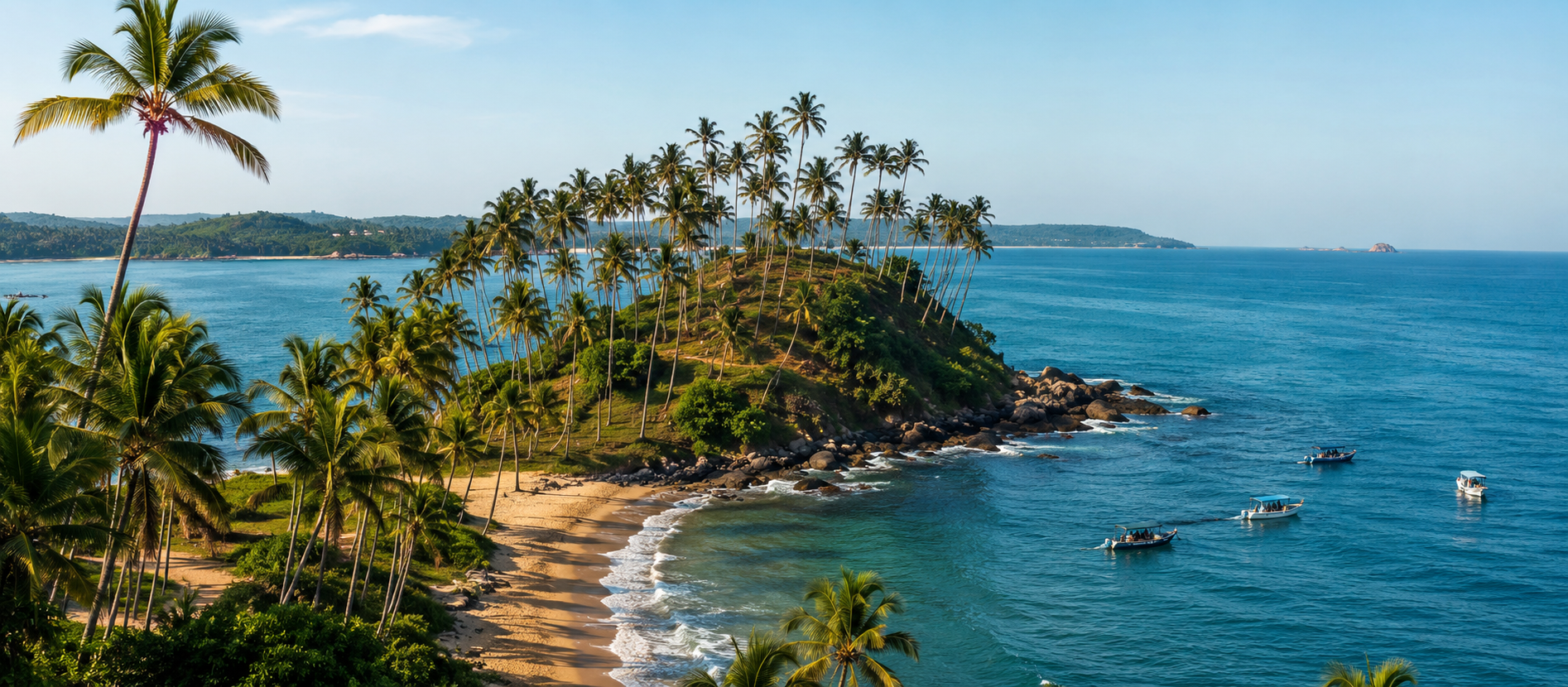
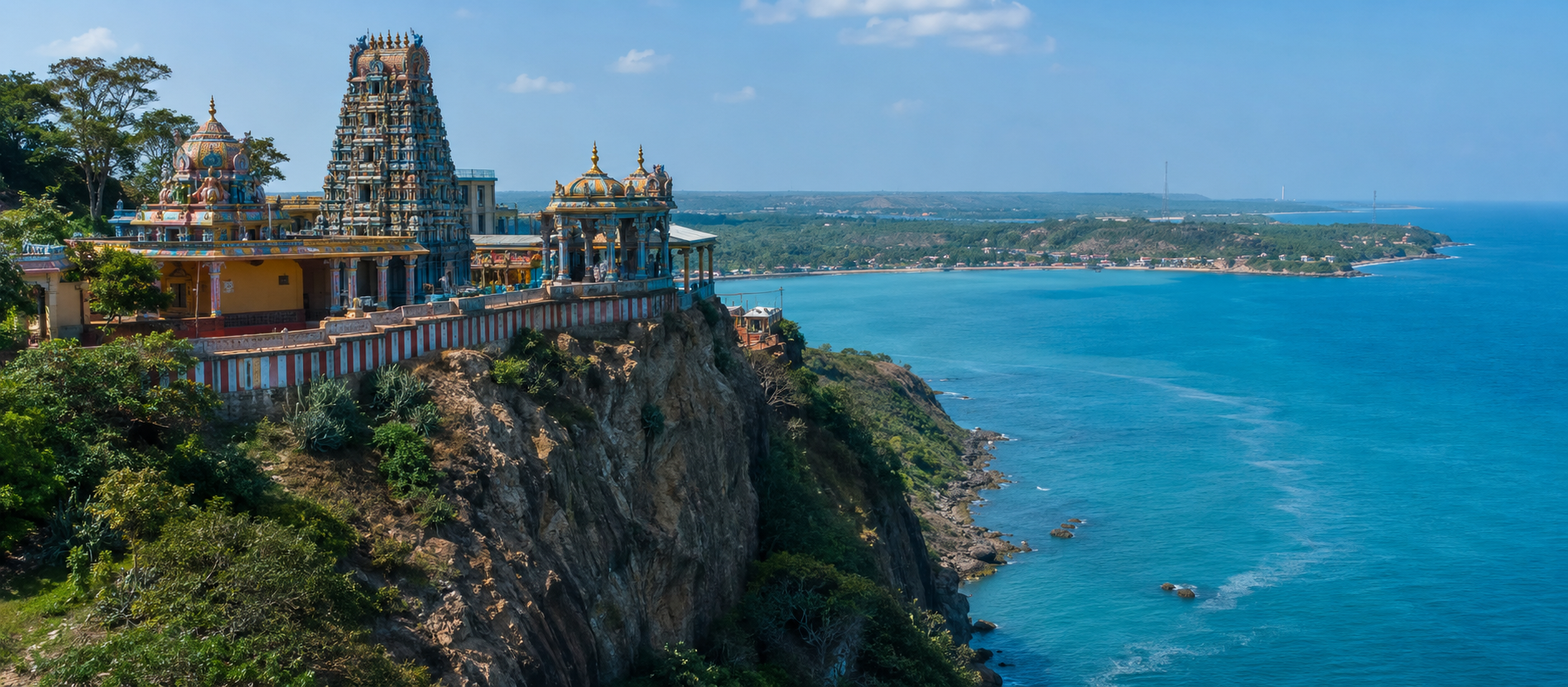
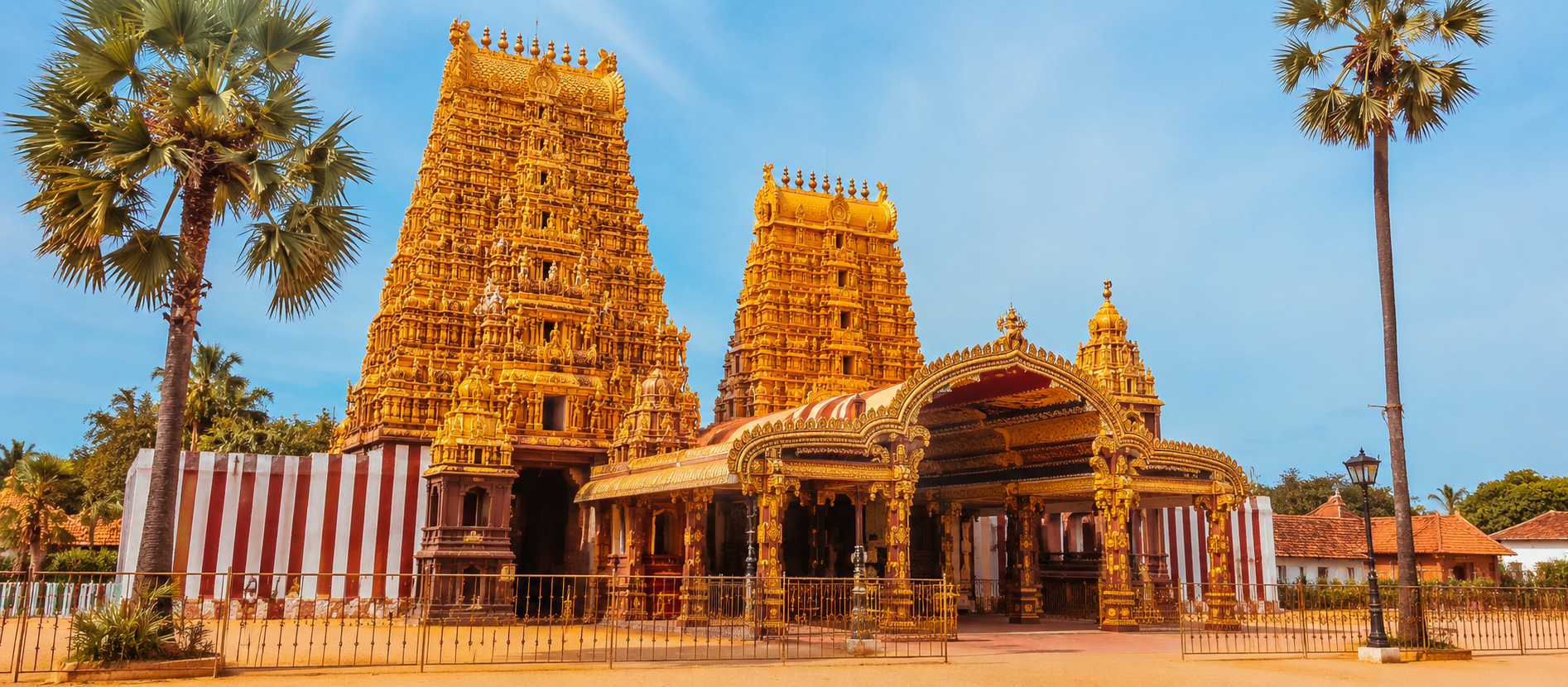
    A historically profound cliffside headland on the park's coastal edge, famous for its striking red-clay soil and ancient ruins, recognized as the legendary landing site of Prince Vijaya in 543 BC.

  • The Ancient Burial Grounds

    Historic archaeological sites hidden deep within the forest lanes, showcasing ancient megalithic stone structures and pottery fragments that date back thousands of years.

  • The Palace of Kuveni

    The ancient stone foundations believed to be the home of the island's legendary native queen Kuveni, shrouded in deep Ceylonese mythology.

  • The Moderagam Aru River

    A beautiful, winding river boundary running along the southern edge of the park, creating a rich riverine habitat perfect for spotting crocodiles and giant raptors.

Best Things to Do

Top experiences and activities for visitors to Wilpattu.

  • Track Big Game on a Dawn 4x4 Safari

    Board a custom, heavy-duty 4x4 safari vehicle at sunrise to navigate the red-dirt tracks, keeping a sharp eye out for leopards stepping across the forest openings.

  • Watch Sloth Bears During Palu Season

    Visit the park during May and June when the local Palu trees drop sweet fruit, drawing the shaggy Sri Lankan sloth bears down to the tracks to feed.

  • Enjoy a Lakeside Picnic at a Safe Villu

    Take a designated midday break during a full-day safari to unpack a private lunch box along the sandy rim of a designated natural basin, watching deer graze across the water.

  • Explore the Coastal Red Cliffs of Kudiramalai

    Take a specialized cross-park excursion to reach the rugged western coastline, standing on the red cliffs to take in panoramic views of the open ocean.

  • Camp in Style at a Luxury Tented Lodge

    Spend your evening under the stars at a premium glamping site bordering the park boundaries, enjoying a multi-course lantern-lit dinner by a roaring campfire.

  • Spot Rare Endemic and Migratory Birds

    Bring binoculars to track rare forest and water birds, including the Sri Lanka junglefowl, painted storks, crested serpent eagles, and elegant paradise flycatchers.

Frequently Asked Questions

Practical answers for British travellers planning a visit to Wilpattu.

Wilpattu is located approximately 180 kilometers north of Colombo. Traveling via a private air-conditioned vehicle takes roughly 3 to 3.5 hours along the smooth coastal and northern highways. This straightforward transit makes Wilpattu an exceptional strategic bridge for itineraries combining wildlife safaris with the ancient historic ruins of the Cultural Triangle.

While Yala features a higher density of leopards in a smaller area, it can experience heavy safari vehicle traffic. Wilpattu provides a drastically different, serene atmosphere. Because of its massive size and dense forest canopy, you can enjoy tracking leopards, bears, and elephants in near-total privacy, creating a raw and exclusive "safari-of-yesteryear" feeling.

Yes, a Wilpattu safari is highly safe and serves as a magnificent outdoor educational experience for families. All game drives are conducted inside elevated, professionally driven 4x4 vehicles. Children thoroughly enjoy spotting crocodiles, wild boar, deer, and elephants from their seats. However, because safaris require spending several hours on bumpy dirt roads, it is best suited for children aged five and above.

Luxury glamping sites and eco-lodges around Wilpattu utilize the standard UK Type G 3-pin plug configuration. Because these modern camps are custom-built to host premium international safari travelers, most tents and main lounges feature universal multi-socket panels for charging laptops, smartphones, and heavy-duty camera batteries seamlessly.

More Cities to Explore

Continue planning your Sri Lanka journey with our other city and regional guides.

Planning from the UK

Not quite what you had in mind?

Tell us your dates, budget, and who's travelling — we'll help you build Holidays that works for you, with flights and hotels arranged from the UK.

  • Specialists for UK departures
  • Clear quotes — no hidden fees
  • We aim to reply within 24 hours