Bundala — Sri Lanka city guide

Sri Lanka City Guide

Bundala

Sri Lanka's first Ramsar wetland — flamingo flocks, five coastal lagoons, and uncrowded bird safaris between Hambantota and Yala on the southeast coast.

Overview

Bundala is a breathtaking, internationally profound wilderness destination situated on the arid southeastern coastline of Sri Lanka. Encompassing a spectacular network of brackish coastal lagoons, salt marshes, open sand dunes, and thorny scrublands, Bundala National Park holds the prestigious distinction of being the first wetland in Sri Lanka to be declared a Ramsar site. It is celebrated globally as one of the most critical wintering grounds for migratory waterbirds on the planet, welcoming thousands of birds flying down the Central Asian Flyway.

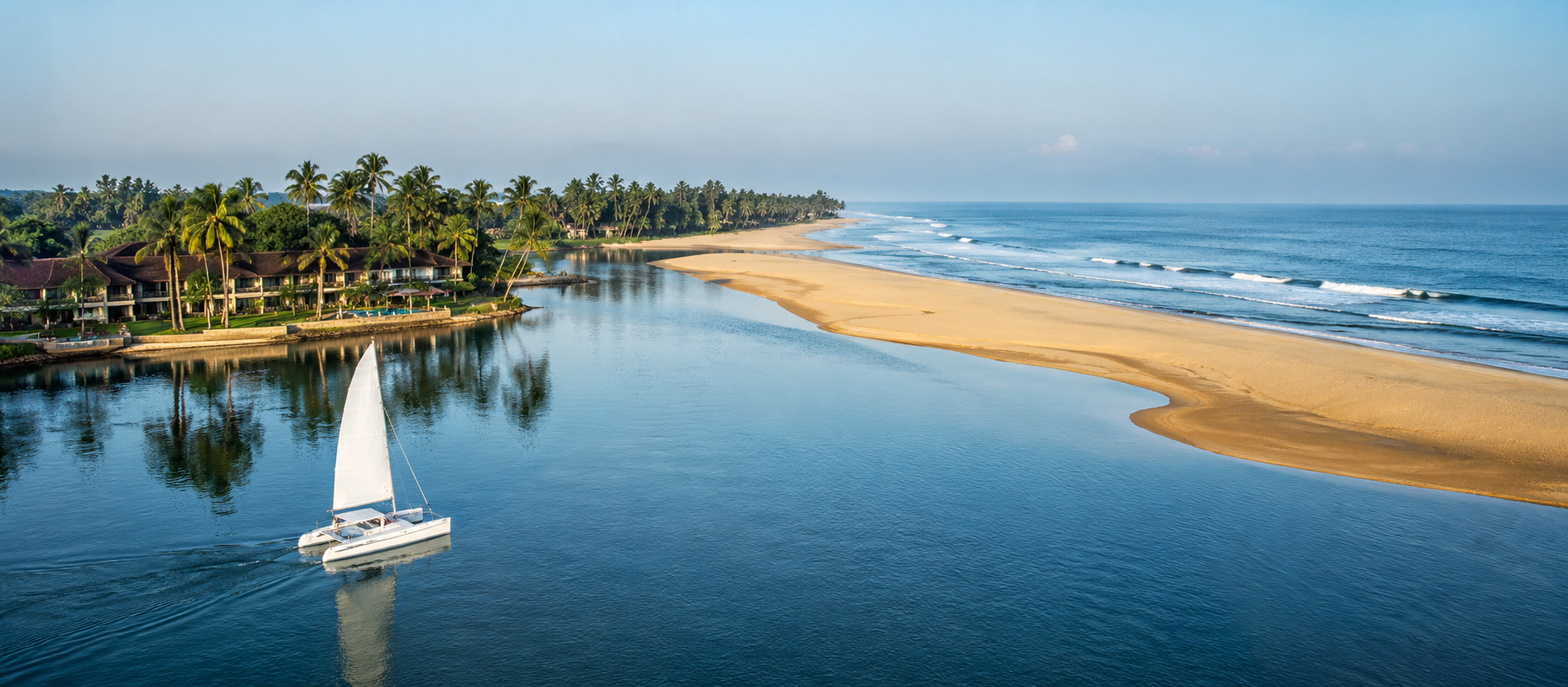
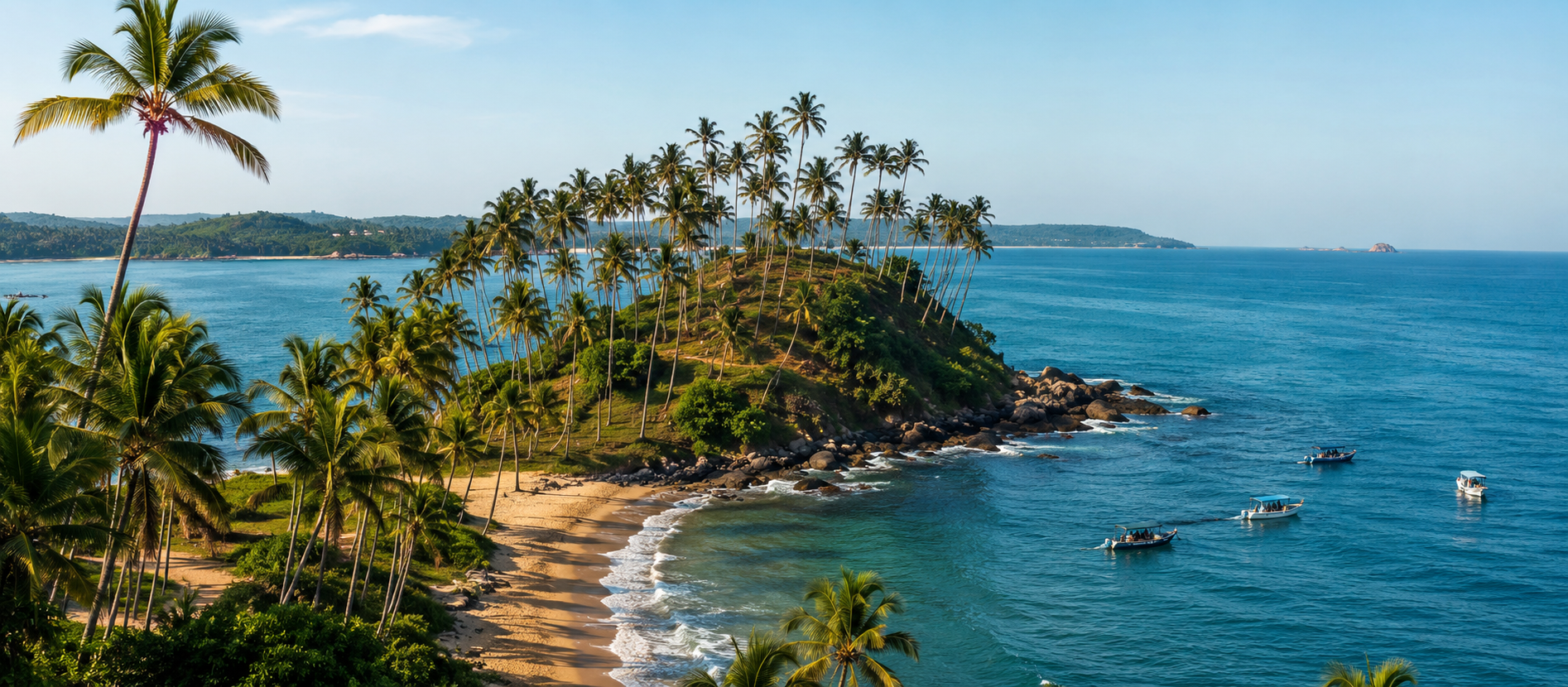
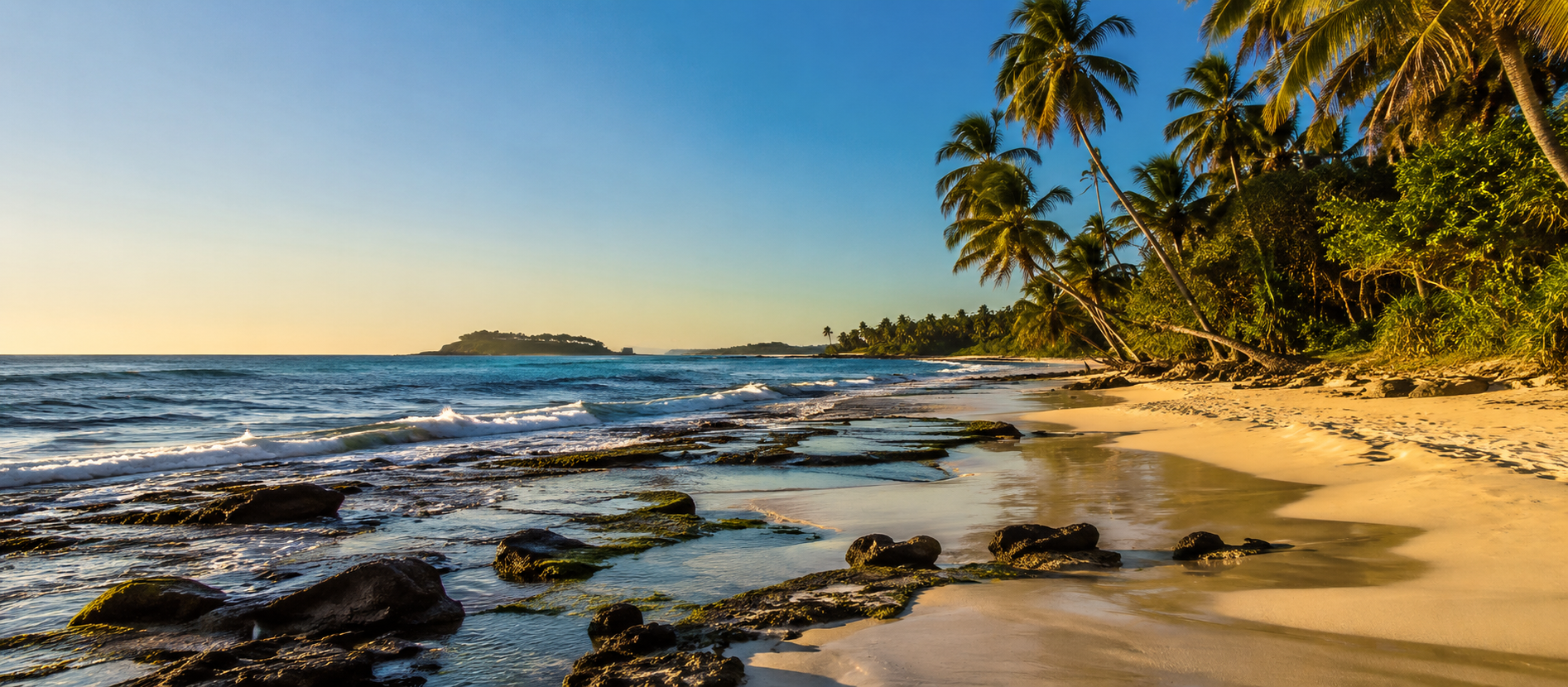
The landscape offers a unique, raw visual aesthetic where the low-lying dry-zone brush abruptly opens into shimmering salt pans and expansive lagoons, framed dramatically by the distant roaring waves of the Indian Ocean. This open, flat terrain provides exceptional visibility for avid birdwatchers, wildlife naturalists, and conservation photographers. The local community is deeply committed to low-impact eco-tourism, operating specialized safari grids that respect the sensitive coastal habitats. Because Bundala serves as a premier destination for international ornithologists and nature enthusiasts, English is widely spoken and understood by park rangers, specialized wildlife trackers, and local resort hosts, ensuring a highly professional and seamless safari experience.
Quick Facts

Essential travel information for Bundala.

Location
Hambantota District, Southern Province, Sri Lanka (strategically positioned just east of Hambantota city and west of Yala).
Access Routes
Bundala is smoothly and rapidly reached via a 3.5-hour private drive from Colombo via the Southern Expressway (exiting at Mattala/Hambantota), or a direct 30-minute drive from Mattala Rajapaksa International Airport (HRI).
Language
Sinhala is the primary native language, while English is standard across all specialized bird safaris, eco-lodges, and park guiding circuits.
Local Specialties
Traditional wood-fired clay-pot wild buffalo curd (meekiri) with local Kithul palm treacle, freshly landed flame-grilled coastal fish, and refreshing woodapple smoothies.
Iconic Safari & Accommodation Spots
Flamingo Nest Bundala, Bundala Flamingo Camp, Big Game Camp Bundala, Jetwing Yala (as a luxury regional base), and local specialized eco-tents.
Climate & Weather

What to expect when visiting Bundala throughout the year.

The Best Time to Visit & Migratory Peak (September to March)

This window marks the spectacular winter migratory season. Tens of thousands of migratory waterbirds—most famously massive, sweeping flocks of Greater Flamingos—arrive to feed in the nutrient-rich coastal lagoons. Daytime temperatures average between 30°C and 33°C.

The Dry Off-Peak Season (May to August)

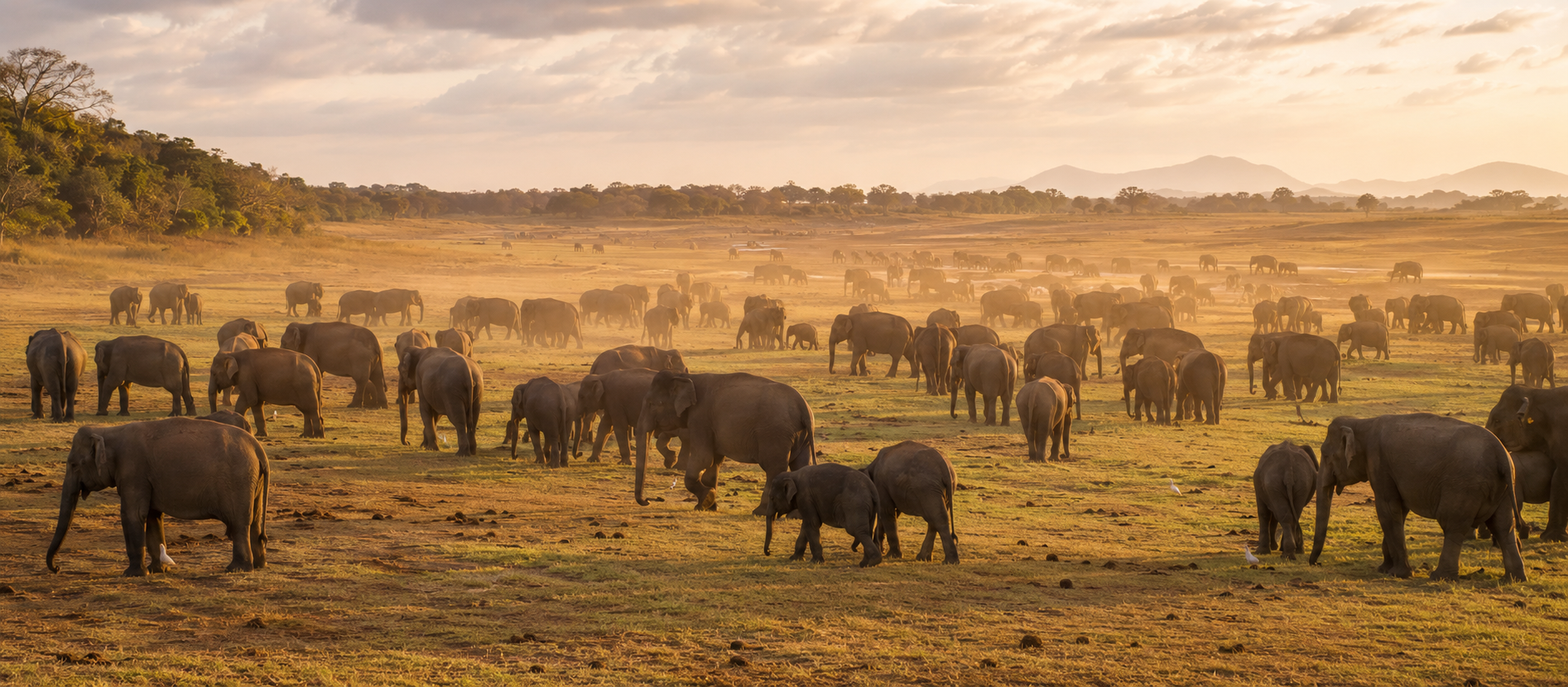
This period brings warm, dry desert-like winds across the salt flats. While the migratory waterbirds have departed, the park remains highly active with resident bird species, majestic herds of wild elephants, and spotted deer.

The Brief Rainy Window (October to December)

The northeast monsoon brings short, refreshing tropical downpours that revitalize the brackish lagoons and turn the thorny scrublands vibrant and green.

Important Places to Visit

The must-see landmarks and neighbourhoods across Bundala.

  • The Five Coastal Lagoons

    The ecological lifeblood of the park, comprising Bundala, Embilikala, Malala, Koholankala, and Mahalewaya lagoons, which host vast populations of wading birds.

  • The Bundala Salt Pans

    An active, sweeping complex of commercial salt salterns bordering the park boundaries, highly favored by large flocks of flamingos for its dense concentration of brine shrimp.

  • The Coastal Sand Dunes & Beach

    A stunning, completely wild stretch of pristine shoreline where the park's thorny paths meet massive sand barriers and the open, crashing Indian Ocean.

  • The Bundala National Park Visitor Center & Museum

    Located at the main entrance gates, featuring insightful ecological exhibits, skeletal remains of marine megafauna, and detailed bird migration maps.

  • Malala Lagoon Bridge Outlook

    An elevated viewpoint along the park boundaries that offers spectacular, clear vistas for spotting crocodiles, pelicans, and large water monitors at sunset.

Best Things to Do

Top experiences and activities for visitors to Bundala.

  • Embark on a Dawn Birdwatching 4x4 Safari

    Board a custom open-top 4x4 safari jeep at sunrise to navigate the lagoon edges, tracking over 200 species of birds with an expert ornithologist guide.

  • Witness Flocks of Greater Flamingos

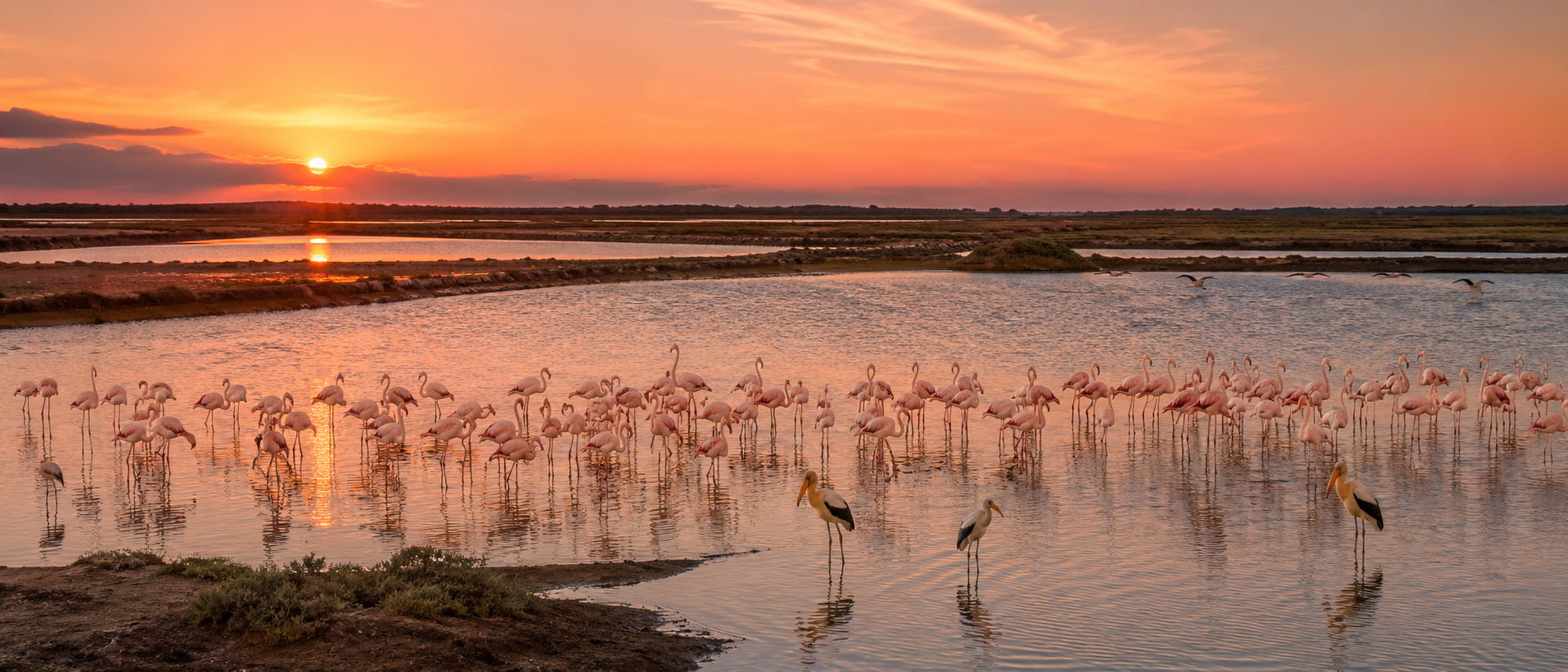
    Drive along the shallow salt pans and lagoon basins during the winter months to observe and photograph hundreds of vibrant pink flamingos feeding in the shallows.

  • Spot Big Game and Reptiles

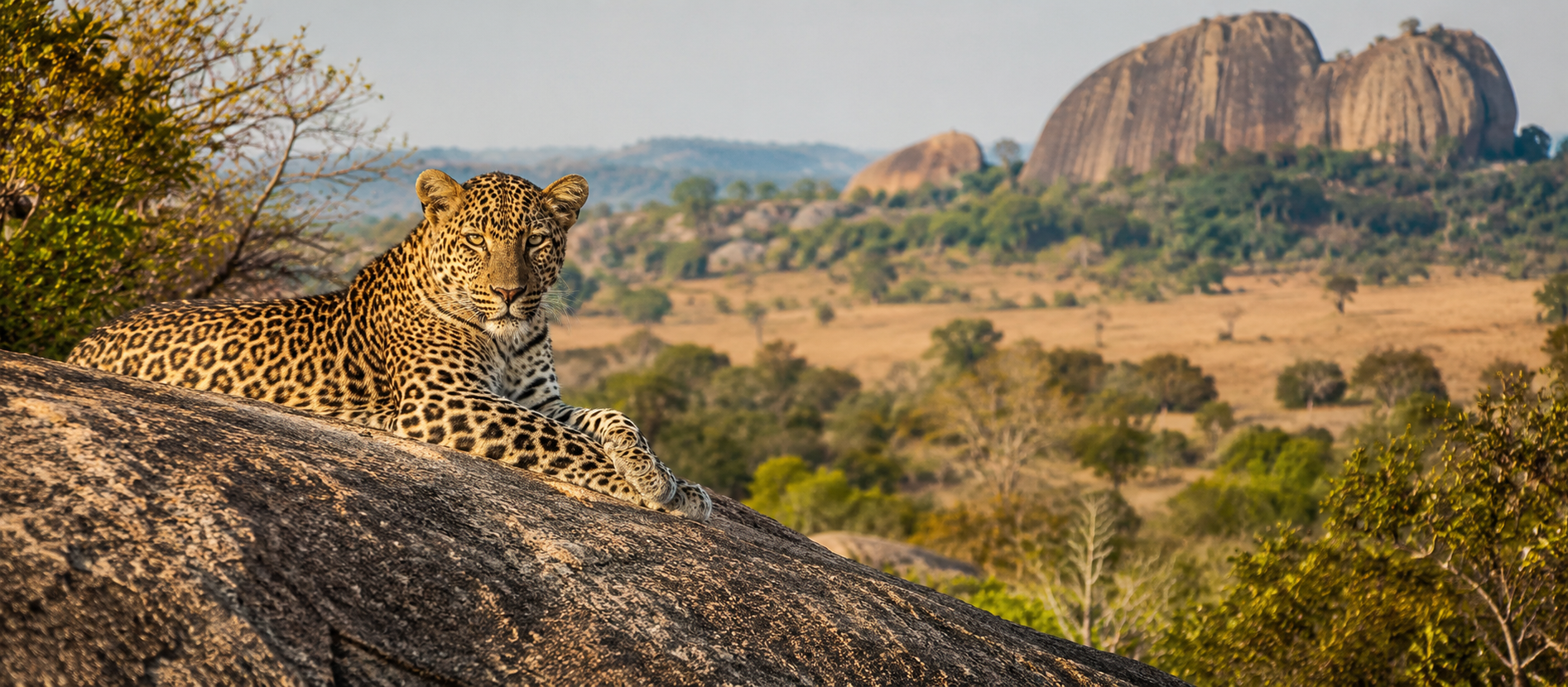
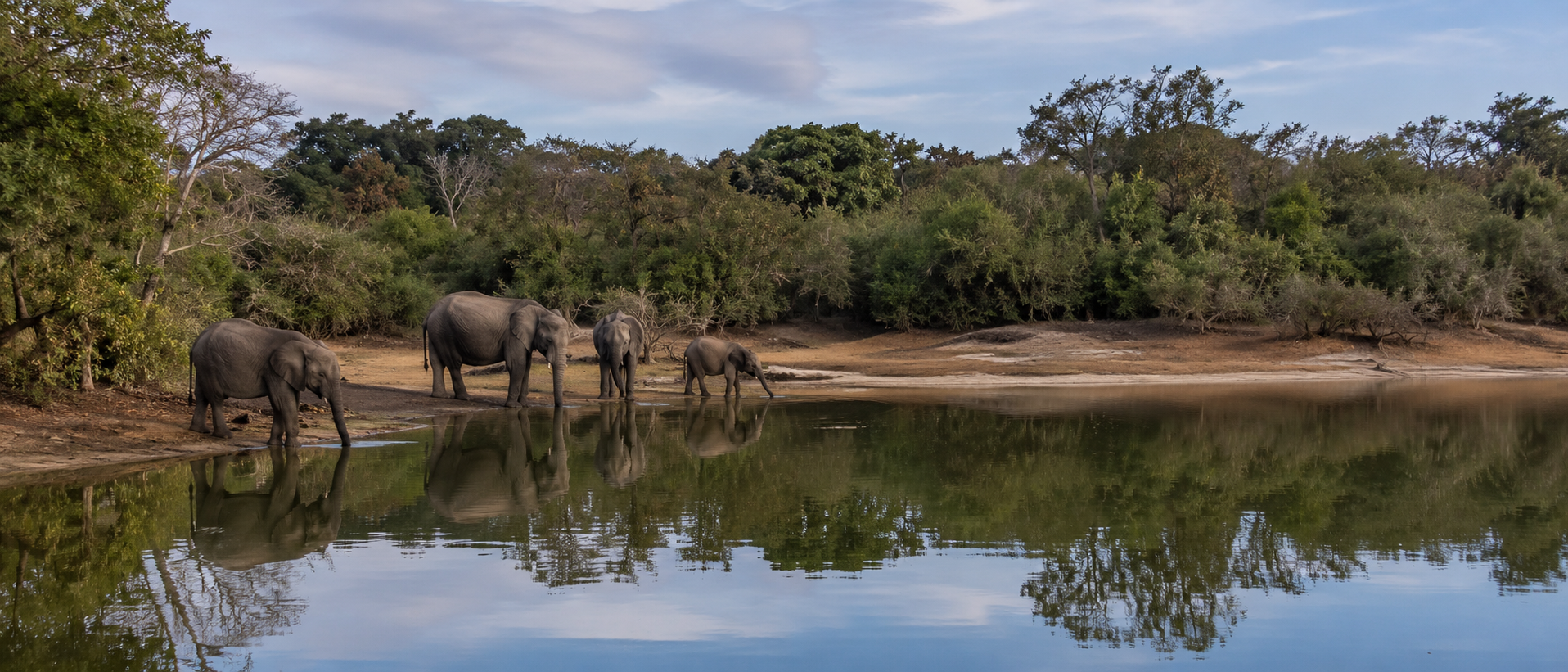
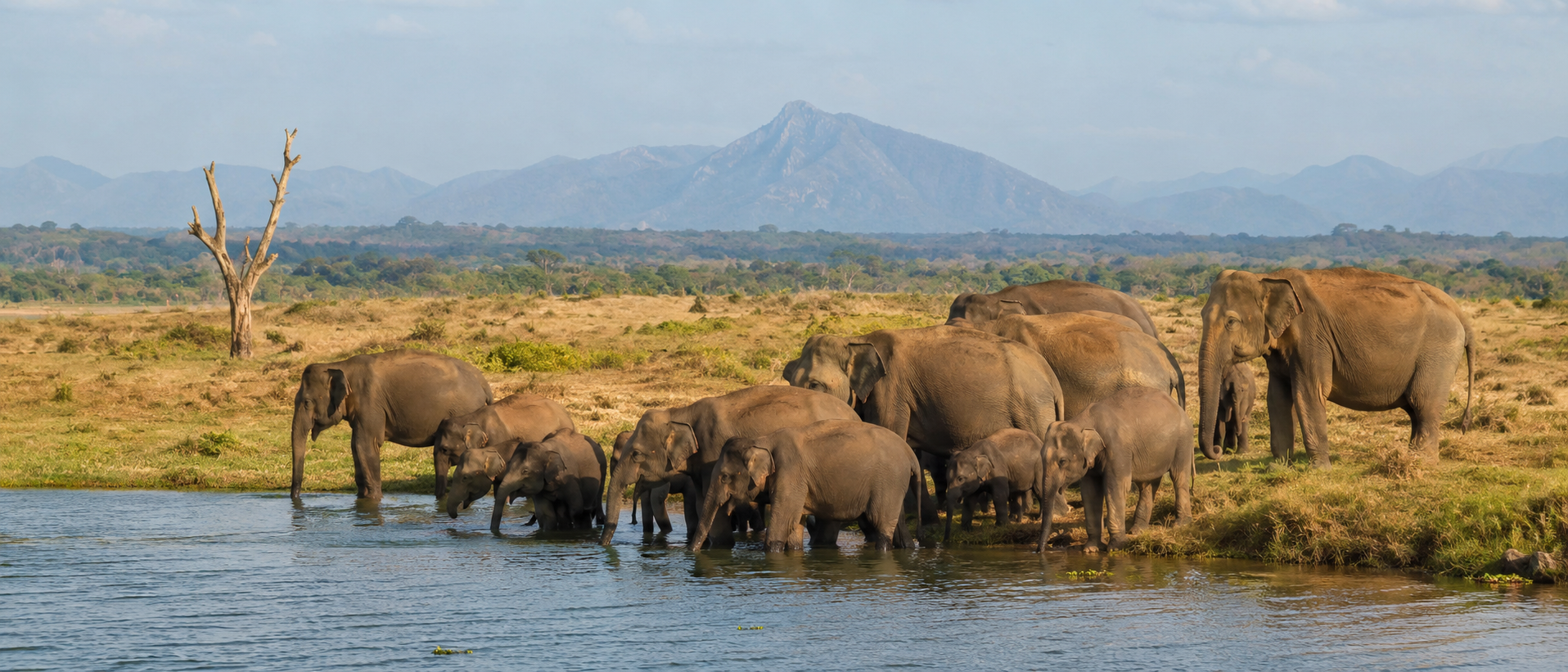
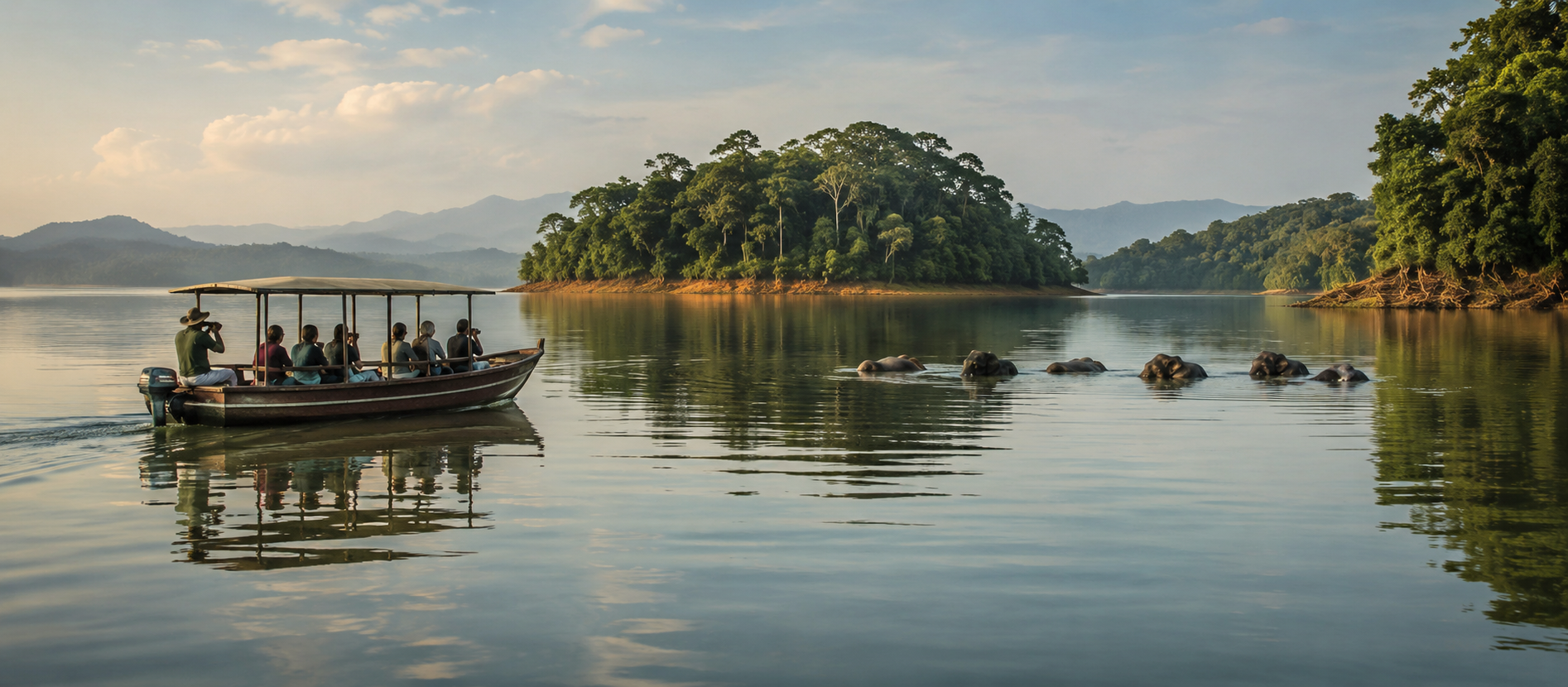
    Keep a sharp look out across the scrublands to spot resident wildlife, including majestic Asian elephants, large herds of spotted deer, wild boars, and massive mugger and estuarine crocodiles basking on the banks.

  • Track Rare Migratory Waders

    Bring your spotting scopes to identify rare global travelers, including the black-necked stork, painted storks, Eurasian spoonbills, Caspian terns, and flocks of iridescent blue-tailed bee-eaters.

  • Stand on the Wild Coastal Sand Dunes

    Take a designated break during your safari to walk onto the massive, wind-swept sand dunes where the wilderness meets the sea, taking in panoramic coastal vistas.

  • Enjoy a Quiet Sunset over Malala Lagoon

    Position your vehicle by the expansive inner lakes late in the afternoon to witness a spectacular tropical sunset reflecting off the perfectly flat, glassy water.

Frequently Asked Questions

Practical answers for British travellers planning a visit to Bundala.

Bundala is located approximately 245 kilometers southeast of Colombo. Traveling via a private air-conditioned vehicle along the modern Southern Expressway takes roughly 3.5 hours, making it an exceptionally smooth and straightforward transit. Its strategic location makes it an ideal wilderness stop for itineraries transitioning between the historic galleons of Galle Fort and the deep-game safaris of Yala.

While Yala is globally famous for its dense predator populations like leopards and sloth bears, it can experience high volumes of safari vehicles. Bundala offers a drastically different, serene, and uncrowded atmosphere. It is specialized primarily as a world-class wetland bird sanctuary. If your holiday goals prioritize tranquil tracking, complex marine ecosystems, and exceptional international birdwatching over dense jeep queues, Bundala is the perfect alternative.

Yes, a Bundala safari is highly safe and stands as an incredible, peaceful educational experience for families and children. All game drives are conducted inside elevated, professionally driven 4x4 vehicles. Because the terrain is predominantly flat coastal basin, the dirt tracks are significantly smoother and less bumpy than the rugged, rocky terrain of inland parks. Children thoroughly enjoy spotting colorful peacocks, wild elephants, and massive crocodiles from their secure seats.

Eco-lodges, safari camps, and resorts around Bundala utilize the standard UK Type G 3-pin plug configuration. Because the destination is engineered to cater to international wildlife enthusiasts and professional photographers, almost all contemporary guest suites and main lounges feature universal multi-socket panels for charging smartphones, laptops, and heavy-duty camera batteries seamlessly.

More Cities to Explore

Continue planning your Sri Lanka journey with our other city and regional guides.

Planning from the UK

Not quite what you had in mind?

Tell us your dates, budget, and who's travelling — we'll help you build Holidays that works for you, with flights and hotels arranged from the UK.

  • Specialists for UK departures
  • Clear quotes — no hidden fees
  • We aim to reply within 24 hours