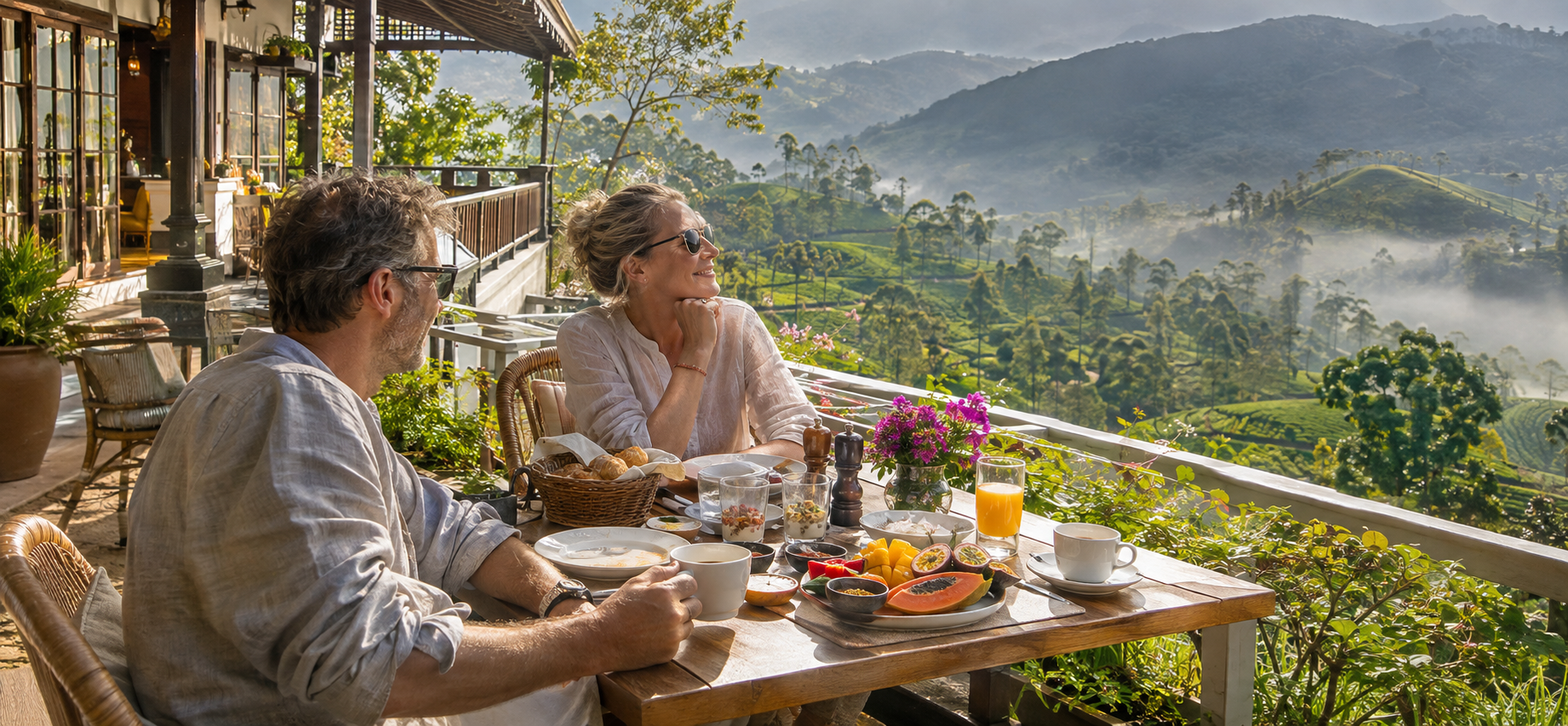
Sri Lanka offers all of this in one journey. But before booking your flights, there's one important question: when is the best time to visit Sri Lanka?
The answer is a little more interesting than simply choosing the driest month.
Unlike many tropical destinations, Sri Lanka has two main monsoons that affect different parts of the island. This means you can enjoy excellent holiday experiences throughout the year, provided you choose the right destinations for your travel dates.
Whether you're planning a first-time Sri Lanka holiday from the UK, a wildlife adventure, a relaxing beach escape or a Sri Lanka and Maldives twin-centre holiday, this guide will help you decide when to go.
The secret to a great Sri Lanka holiday isn't finding the perfect month. It's discovering the perfect part of the island for your dates.
Travel note
When Is the Best Time to Visit Sri Lanka?
December to March is generally the best time to visit Sri Lanka for a classic holiday combining cultural sightseeing, the hill country and the south or west coast.
During these months, popular coastal destinations such as Bentota, Galle, Mirissa and Hikkaduwa typically experience more favourable beach conditions.
However, if you're dreaming of the east coast, including Trincomalee, Pasikudah and Arugam Bay, May to September is usually a better choice.
Here's a quick breakdown:
| Travel period | Best suited for |
|---|---|
| December – March | South and west coast beaches, cultural tours and popular first-time itineraries |
| April | Cultural sightseeing, warm weather and flexible touring |
| May – September | East coast beaches, surfing and selected wildlife experiences |
| October – November | Flexible holidays, cultural experiences and quieter travel, with a greater chance of widespread rain |
These are typical seasonal patterns rather than guaranteed forecasts. Sri Lanka has a tropical climate, so sunshine and showers are possible at any time of year.
Understanding Sri Lanka's Weather and Monsoon Seasons
Sri Lanka may be a relatively small island, but its weather can vary considerably between regions.
You could be enjoying sunshine on the east coast while rain falls over the southwest. Head into the central highlands and you'll find noticeably cooler temperatures, misty mountains and a completely different atmosphere.
The country experiences four main rainfall seasons.
Southwest Monsoon: May to September
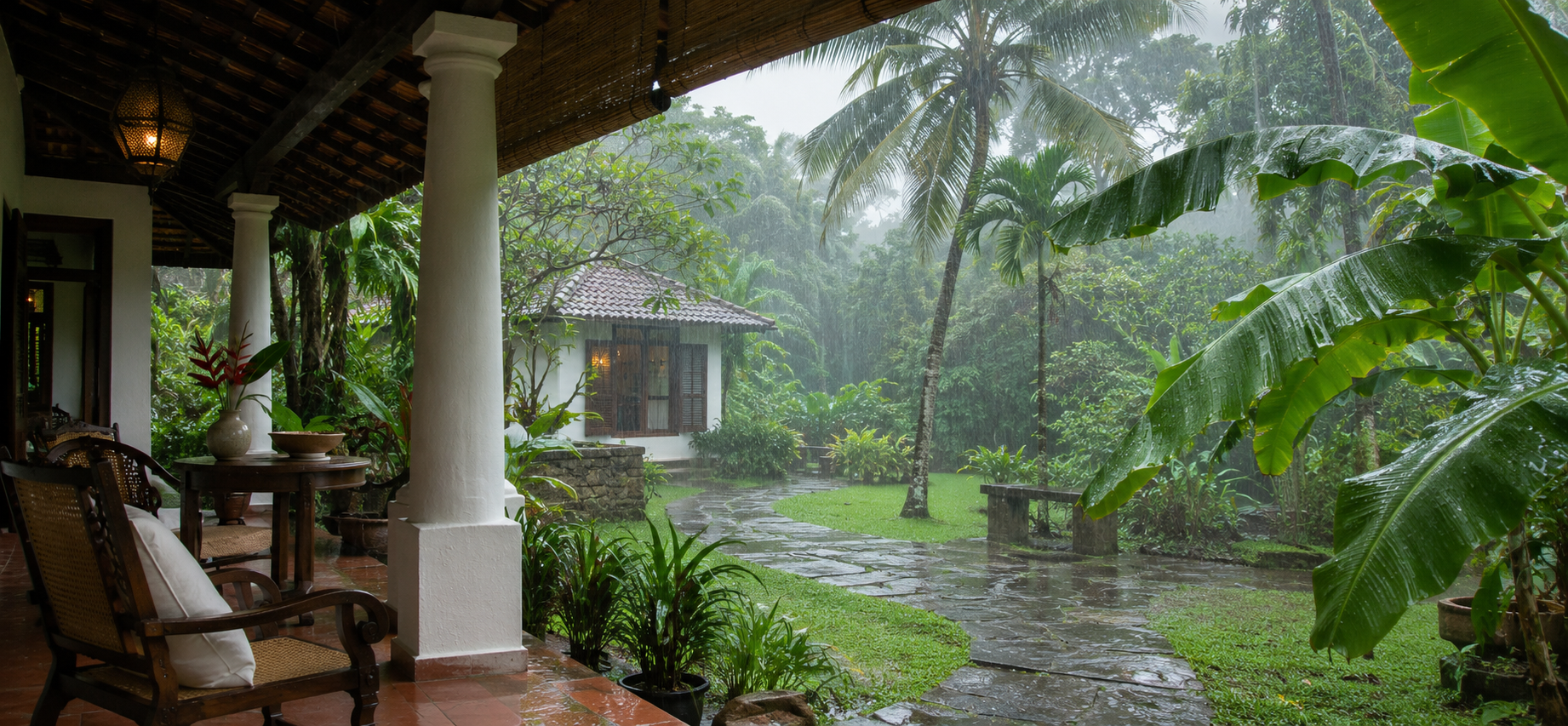
The southwest monsoon mainly affects the western and southwestern parts of Sri Lanka, including Colombo, Bentota, Galle and portions of the hill country.
Rainfall can be heavy at times, and sea conditions along exposed beaches may become rough.
However, it doesn't mean the entire island experiences poor weather. Eastern destinations such as Trincomalee and Pasikudah generally become more attractive during this period.
Northeast Monsoon: December to February
The northeast monsoon brings wetter conditions to northern and eastern areas of Sri Lanka.
Meanwhile, the south and west coasts generally enjoy their most favourable beach season.
This is one reason December, January and February are particularly popular with visitors from the UK.
First Inter-Monsoon: March to April
March and April form a transitional period, with warm temperatures and afternoon or evening thunderstorms possible across the island.
March is often particularly appealing for visitors combining sightseeing with a south-coast beach stay.
April can still be a rewarding time to travel, although temperatures may feel hotter in lowland areas.
Second Inter-Monsoon: October to November
October and November can bring unsettled weather and heavy showers across several parts of Sri Lanka.
These months are generally less predictable for beach holidays and outdoor activities.
That doesn't mean a holiday is impossible. With a flexible itinerary, comfortable accommodation and realistic expectations, you can still explore Sri Lanka's culture, food and landscapes.
Best Time to Visit Sri Lanka: Month-by-Month
January: Excellent for First-Time Visitors
January is one of the most appealing months for a traditional Sri Lanka holiday.
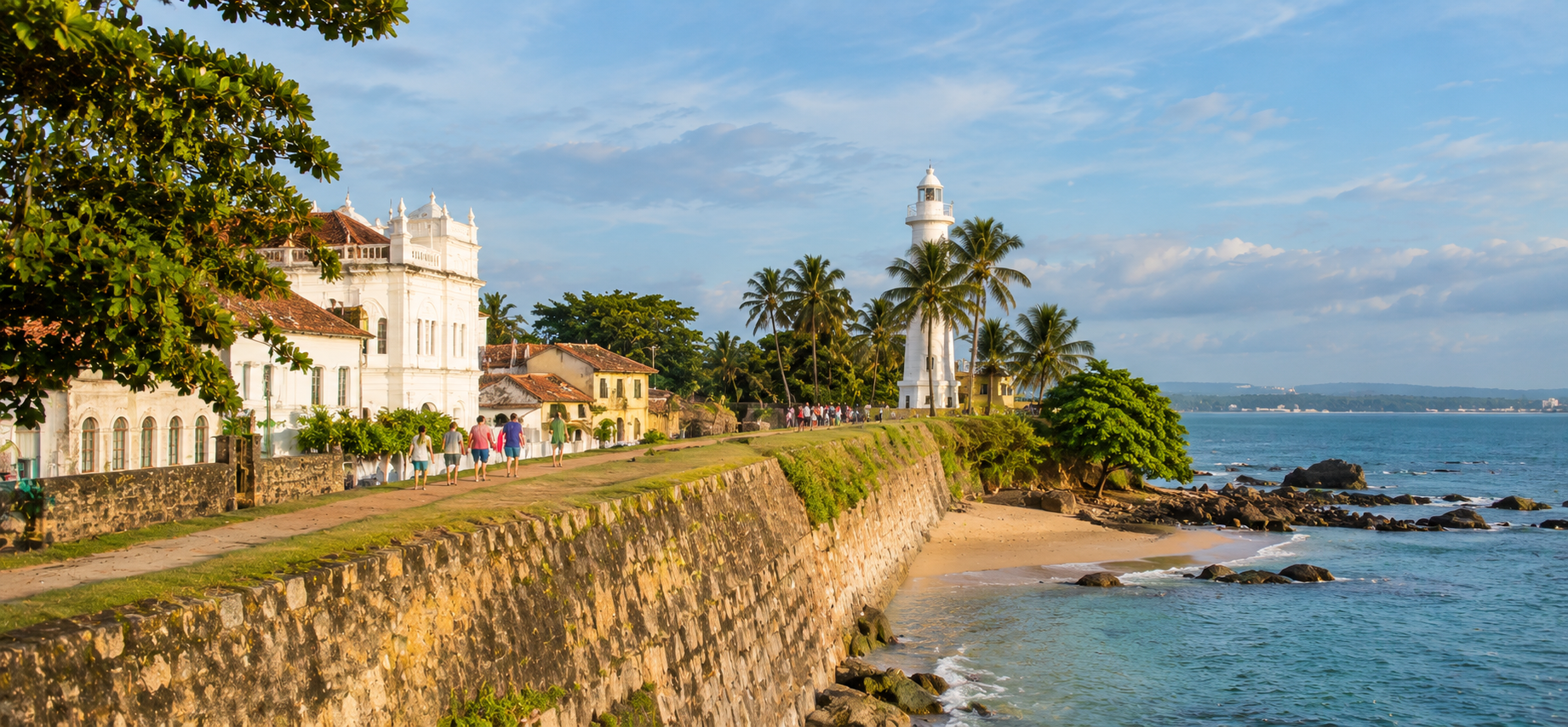
The south and west coasts generally enjoy favourable weather, making it a lovely time to explore Galle Fort, relax in Mirissa or spend several days beside the ocean.
It's also a popular time for cultural sightseeing around Sigiriya, Dambulla and Kandy.
Best for: First-time holidays, south-coast beaches, cultural sightseeing and private tours.
February: A Wonderful All-Round Choice
February offers a particularly attractive balance of beach weather, sightseeing and outdoor activities.
You can explore Sri Lanka's ancient cities, visit tea plantations, take a scenic journey through the hill country and finish your holiday beside the Indian Ocean.
It's a strong choice for couples who want a little adventure without sacrificing relaxation.
Best for: Couples, cultural tours, scenic journeys and beach escapes.
March: Sunshine, Culture and Coastal Relaxation
March is another excellent month to consider, especially for travellers hoping to combine multiple destinations within Sri Lanka.
South- and west-coast conditions are often favourable, although temperatures can begin to rise.
A ten- or fourteen-night itinerary offers plenty of opportunities to discover the Cultural Triangle, visit Kandy and Ella, and enjoy some well-earned beach time.
Best for: Multi-stop itineraries, cultural attractions and coastal holidays.

April: Warmer Weather and Cultural Experiences
April is generally hot across much of Sri Lanka, with occasional afternoon thunderstorms.
It can be an enjoyable month to explore temples, historical sites and the country's vibrant food culture.
Sri Lankan New Year, usually celebrated in mid-April, is an important national festival. It's a fascinating cultural experience, but travellers should be aware that some businesses and services may have altered opening times.
Best for: Cultural experiences, family holidays and flexible itineraries.
May: Consider the East Coast
May marks the beginning of the southwest monsoon period.
While the south and west can experience increased rainfall, the east coast often becomes a more appealing option.
Destinations such as Trincomalee and Pasikudah offer beautiful stretches of sand and opportunities for coastal relaxation.
You can also combine an east-coast stay with visits to Sigiriya and other historical attractions.
Best for: East-coast beaches and tailor-made cultural holidays.
June: Discover Sri Lanka's Quieter Coastal Side
June is often an excellent time to explore Sri Lanka beyond the familiar south-coast beach resorts.
The eastern shoreline is generally better suited to beach holidays during this season, while the central and northern regions offer plenty of opportunities for sightseeing.
If you've visited Sri Lanka before, June can be a good time to discover a different side of the island.
Best for: Trincomalee, Pasikudah and east-coast holidays.
July: Beaches, Wildlife and Adventure
July is a popular month for east-coast travel.
Arugam Bay is particularly well known for surfing, while Pasikudah and the Trincomalee area appeal to travellers looking for a more relaxed beach experience.
Wildlife enthusiasts may also find July rewarding, particularly in the dry-zone national parks.
Best for: East-coast beach stays, surfing and wildlife-focused itineraries.
August: A Great Option for UK Summer Holidays
If you're planning a holiday during the British school summer holidays, August can be a very good time to visit Sri Lanka.
The secret is choosing the right route.
Rather than focusing on the southwest coast, consider an itinerary featuring Sigiriya, the Cultural Triangle, Trincomalee or Pasikudah.
August can also be an interesting time for elephant watching around Minneriya and neighbouring parks, although wildlife movements vary with rainfall and water availability.
Best for: Family holidays, east-coast beaches and wildlife adventures.
September: Late-Summer Travel Opportunities
September can still offer rewarding conditions on the east coast, especially earlier in the month.
It's also worth considering for travellers who prefer a quieter holiday outside the busiest British school holiday period.
As the month progresses, rainfall patterns can become less predictable.
Best for: Flexible itineraries, cultural sightseeing and east-coast relaxation.
October: A Greener, Wetter Sri Lanka
October is one of Sri Lanka's less predictable months for weather.
The second inter-monsoon can bring heavy showers and thunderstorms across different parts of the country.
Nevertheless, the landscapes can look particularly lush and dramatic.
For travellers who enjoy culture, boutique accommodation and a slower pace, October can still offer an interesting experience, provided there's flexibility around outdoor plans.
Best for: Cultural holidays, relaxed travel and travellers comfortable with rain.
November: A Transitional Month
November typically continues the second inter-monsoon period.
Rain can still be widespread, although weather conditions may begin improving on parts of the south and west coast towards the end of the month.
If you're travelling in November, it's sensible to avoid building an itinerary that depends entirely on beach days or outdoor excursions.
Best for: Flexible touring, cultural experiences and late-month travel with realistic weather expectations.
December: A Popular Winter Escape
December is one of the most popular times for UK travellers to visit Sri Lanka.
As conditions generally become more favourable along the south and west coasts, destinations such as Galle, Bentota and Mirissa are attractive choices for a winter escape.
Christmas and New Year are particularly popular travel periods, so booking well ahead can help secure your preferred hotels and flight arrangements.
Best for: Winter sun, Christmas holidays, couples and beach-and-culture itineraries.
Best Time to Visit Different Parts of Sri Lanka
One of the biggest mistakes travellers make is treating Sri Lanka as though the entire island has the same weather.
Choosing your destinations according to the season can make a remarkable difference to your experience.
South and West Coast: December to March
If you're dreaming of golden beaches, beautiful sunsets and relaxed afternoons by the Indian Ocean, the south and west coasts are usually most appealing between December and March.
Popular destinations include:
- Bentota, for comfortable beach resorts and relaxation.
- Galle, for colonial-era architecture, boutique hotels and coastal charm.
- Mirissa, for beaches and seasonal whale-watching excursions.
- Hikkaduwa, for lively coastal surroundings and marine experiences.
November and April can also be suitable in some years, although conditions are more variable.
East Coast: May to September
Sri Lanka's east coast really comes into its own during the middle of the year.
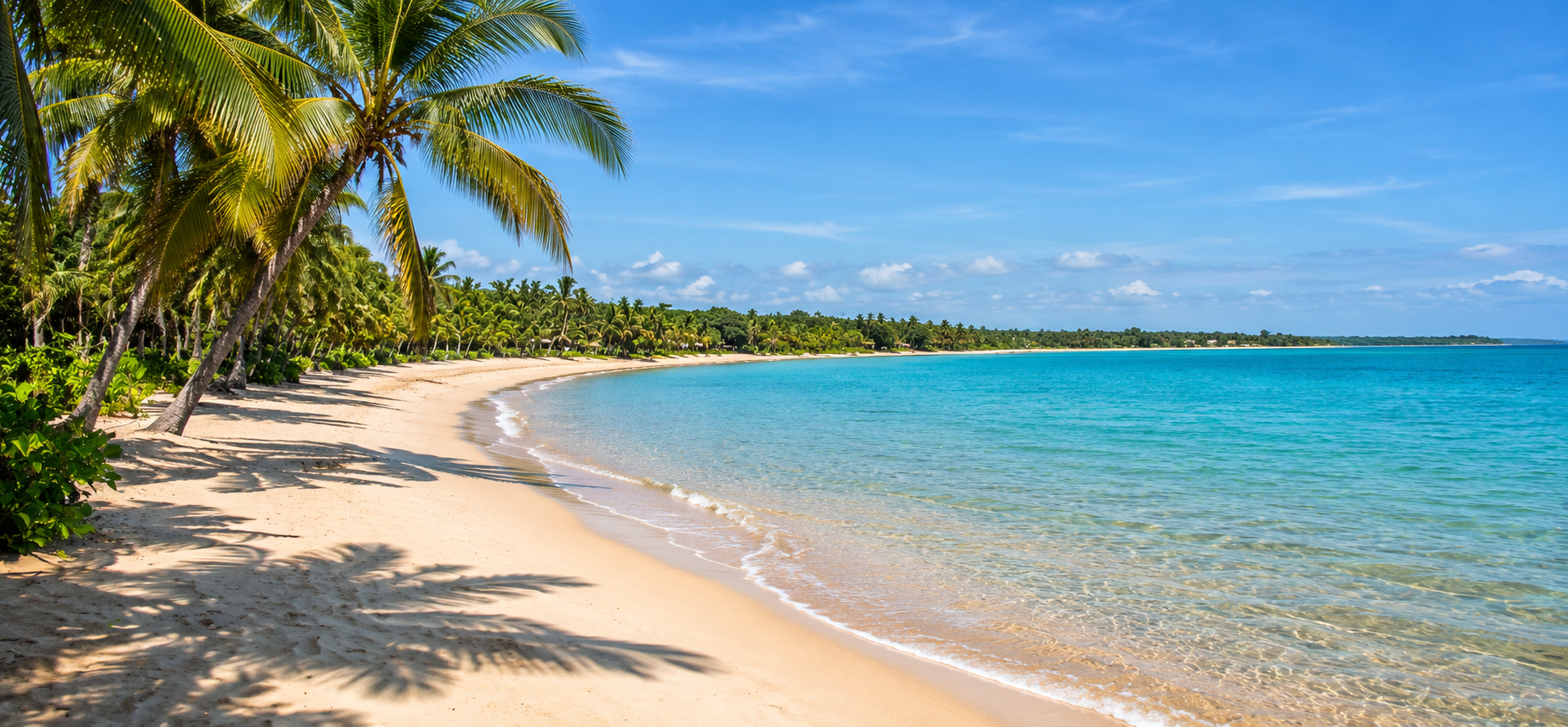
Trincomalee, Nilaveli and Pasikudah are particularly appealing for beach holidays, while Arugam Bay attracts surfers from around the world.
For UK families travelling during July and August, this region is well worth considering.
Cultural Triangle: Much of the Year
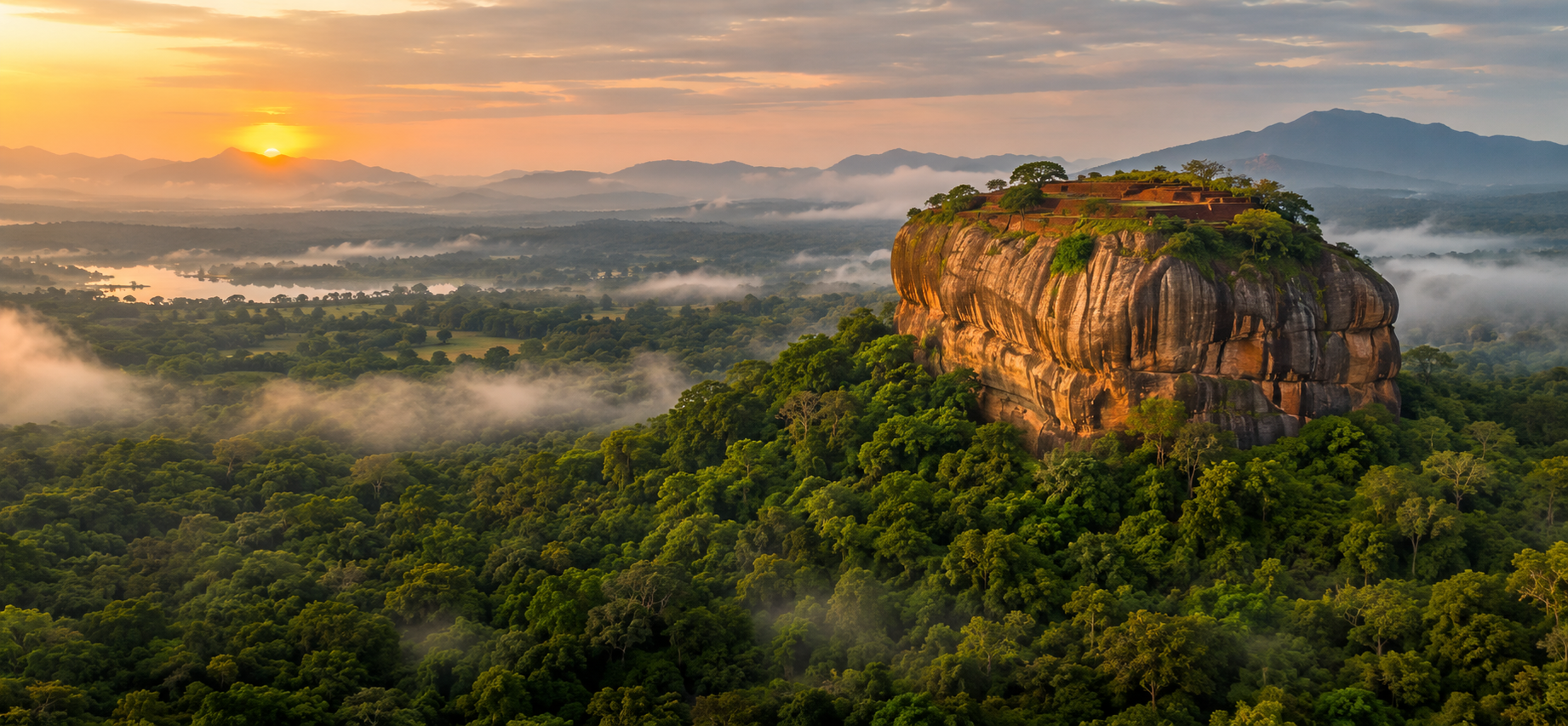
The Cultural Triangle is home to some of Sri Lanka's most remarkable historical attractions, including Sigiriya Rock Fortress, Dambulla Cave Temple and the ancient city of Polonnaruwa.
These destinations can be visited throughout much of the year, although rainfall and heat vary by month.
Sightseeing is generally more comfortable when started early in the morning, particularly during hotter periods.
Hill Country: Year-Round with Seasonal Variations
Kandy, Nuwara Eliya and Ella offer a completely different side of Sri Lanka.
Think rolling tea plantations, waterfalls, mist-covered valleys and scenic railway journeys.
The hill country is usually cooler than the coast, particularly around Nuwara Eliya.
December to March is often a popular period for including the central highlands in a classic tour, but rain and mist can occur at any time.
For many travellers, a misty morning overlooking a tea plantation is part of the charm.
When Is the Best Time for a Sri Lanka Safari?
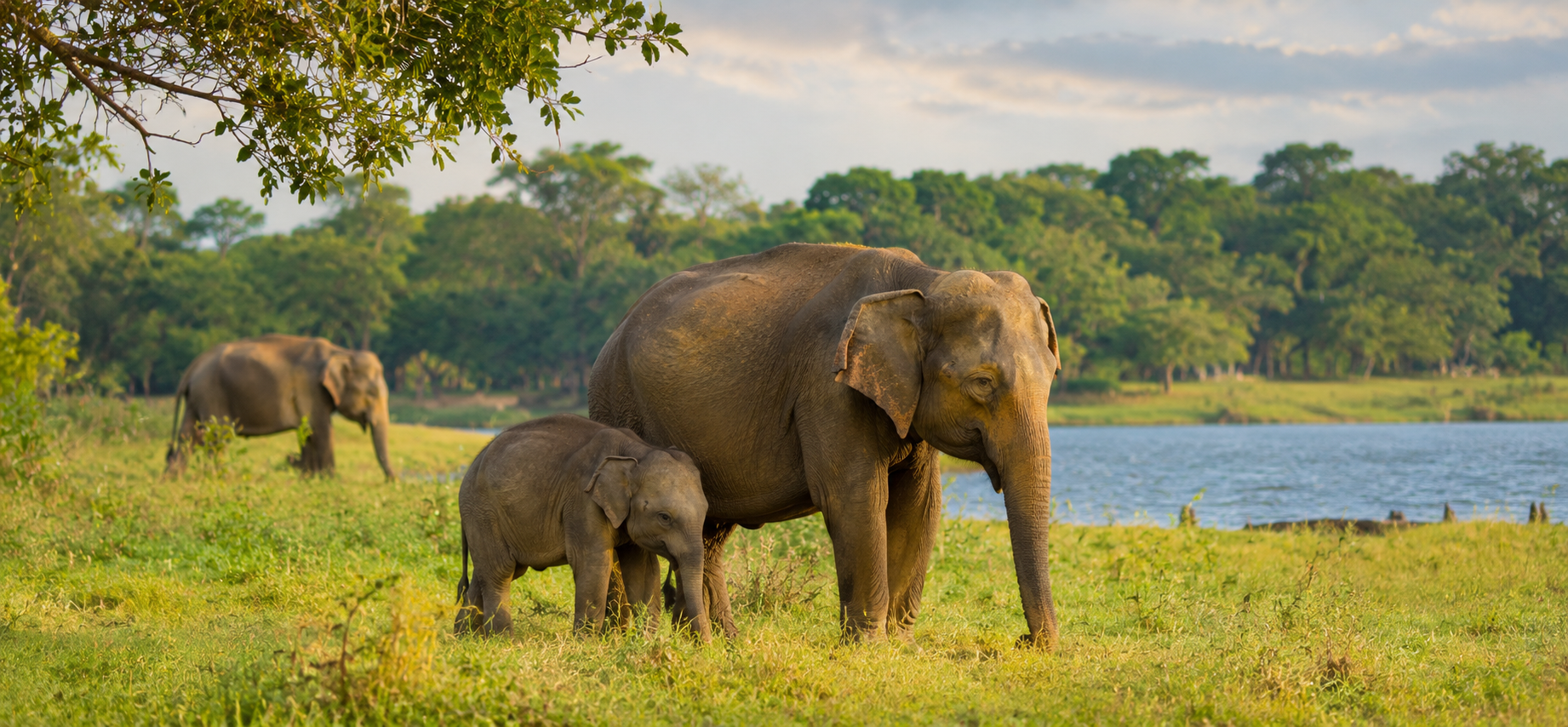
Sri Lanka is one of Asia's most exciting wildlife destinations, with opportunities to see elephants, crocodiles, colourful birdlife and, with luck, elusive leopards.
The ideal time depends on which national park you plan to visit.
Yala National Park
Yala is famous for its leopard population and varied wildlife.
Drier conditions can improve opportunities to spot animals gathering around water sources, often during parts of the year from roughly February through September.
However, sightings are never guaranteed, and some sections of the park may close temporarily for conservation or seasonal reasons.
Udawalawe National Park
Udawalawe is particularly well known for its elephants.
It can be visited throughout much of the year and is a popular addition to a southern Sri Lanka itinerary.
Wildlife viewing conditions vary, but the park is an appealing choice for travellers hoping to see elephants in their natural habitat.
Minneriya and Kaudulla National Parks
The dry season, particularly around July to September, is associated with notable elephant gatherings in the Minneriya region.
The exact locations and timings can change depending on rainfall, reservoir levels and elephant movements.
A knowledgeable local guide can help identify the most suitable park for your travel dates.
Best Time for Whale Watching in Sri Lanka
Sri Lanka offers whale-watching opportunities from different coastal regions at different times of year.
Mirissa, on the south coast: December to March is generally a key period for whale-watching excursions, with some operators running trips across a wider season.
Trincomalee, on the east coast: March to July can offer whale-watching opportunities, subject to local sea and weather conditions.
Always choose a responsible operator that follows marine wildlife regulations and keeps a respectful distance from animals.
Whale sightings are never guaranteed, and trips may be cancelled when sea conditions are unsuitable.
Best Time to Combine Sri Lanka with the Maldives
If you're travelling all the way from the UK, why not combine two Indian Ocean destinations in one holiday?
A Sri Lanka and Maldives twin-centre holiday gives you the opportunity to explore ancient temples, enjoy private sightseeing tours and discover lush tropical landscapes before spending a few days relaxing beside the turquoise waters of the Maldives.
January to March is generally an excellent period to consider for this combination.
These months often align well with favourable conditions along Sri Lanka's south and west coasts and the Maldives' typically drier northeast monsoon season.
For example, you could spend seven nights exploring Sri Lanka before flying to the Maldives for three or more nights of relaxation.
Explore our 10-Night Sri Lanka & Maldives Tropical Highlights holiday for inspiration.
When Is the Cheapest Time to Visit Sri Lanka from the UK?
If you're flexible with your travel dates, travelling outside the busiest holiday periods may help you find better value.
Christmas, New Year and the most popular winter travel months often attract greater demand, particularly at well-known beach resorts.
Quieter periods can sometimes offer more competitive hotel rates, but it's important to consider the weather before choosing dates purely on price.
For example, a holiday in June could work beautifully if you focus on Sri Lanka's east coast rather than booking a beach resort in the southwest.
The best-value holiday isn't always the one with the lowest price. It's the one that makes the most of your budget, interests and travel dates.
For a personalised quote, explore our tailor-made Sri Lanka holidays.
Planning a Sri Lanka Holiday from the UK
If you're visiting Sri Lanka for the first time, ten to fourteen nights is a good starting point.
This gives you enough time to experience several of the island's highlights without feeling rushed.
A classic itinerary might include:
- Sigiriya and Dambulla: Ancient history, temples and unforgettable landscapes.
- Kandy: Cultural heritage, botanical gardens and a scenic hillside setting.
- Nuwara Eliya and Ella: Tea plantations, waterfalls and mountain scenery.
- Yala or Udawalawe: A wildlife safari experience.
- Galle and the south coast: Historic streets, beautiful beaches and coastal relaxation.
The exact route should always reflect your travel dates.
If you're visiting in August, for example, an itinerary that finishes on the east coast may be more suitable than one centred around the southwest beaches.
A private chauffeur-guide can also make exploring several regions more comfortable, particularly if you'd prefer not to manage the longer journeys yourself.
Frequently Asked Questions
What is the best month to visit Sri Lanka?
February is one of the strongest all-round choices for a classic Sri Lanka itinerary combining cultural attractions, the hill country and south-coast beaches. However, July and August can be excellent for an east-coast holiday.
Is Sri Lanka hot all year round?
Yes, much of Sri Lanka experiences warm tropical temperatures throughout the year. Coastal and lowland areas are generally hot and humid, while higher-altitude destinations such as Nuwara Eliya can be considerably cooler.
What is the rainy season in Sri Lanka?
Sri Lanka has two main monsoons. The southwest monsoon generally occurs from May to September, while the northeast monsoon runs from December to February. October and November can also experience widespread rainfall during the second inter-monsoon.
Is December a good time to visit Sri Lanka?
Yes. December is generally an attractive time for south- and west-coast beaches, although the eastern and northern regions may be wetter. Christmas and New Year are popular, so early planning is advisable.
Is August a good time to visit Sri Lanka?
Absolutely, provided you choose the right destinations. August is often well suited to east-coast beach stays, Cultural Triangle sightseeing and certain wildlife experiences.
Can you visit Sri Lanka during the monsoon?
Yes. Monsoon conditions vary considerably across the island. You may experience rain in one region while another enjoys better beach weather. Flexible itineraries and sensible regional choices are key.
How many days do you need in Sri Lanka?
Ten to fourteen nights is a comfortable starting point for a first-time holiday featuring several regions. A shorter trip can work if you focus on fewer destinations, while longer holidays allow more time for beaches, wildlife and additional countries.
What is the best time for a Sri Lanka and Maldives holiday?
January to March is generally one of the most appealing periods, especially if you're planning a classic Sri Lanka sightseeing route followed by a Maldives beach stay.
Find the Right Time for Your Sri Lanka Holiday
There's no single perfect month to visit Sri Lanka.
The best time depends on what you'd love to experience, whether that's exploring ancient cities, taking a scenic train journey through tea country, spotting elephants in the wild or simply relaxing on a beautiful beach.
With the right itinerary, Sri Lanka can be an extraordinary destination throughout the year.
At Holidays to Sri Lanka, we help UK travellers plan tailor-made holidays around their preferred dates, interests and travel styles. From private guided journeys across the island to multi-centre escapes featuring the Maldives, Dubai or India, we'll help you put together a holiday that feels right for you.
Ready to explore Sri Lanka?
Discover our Sri Lanka holidays or get in touch with our travel specialists to start planning your next escape.